 3 months ago
64
3 months ago
64
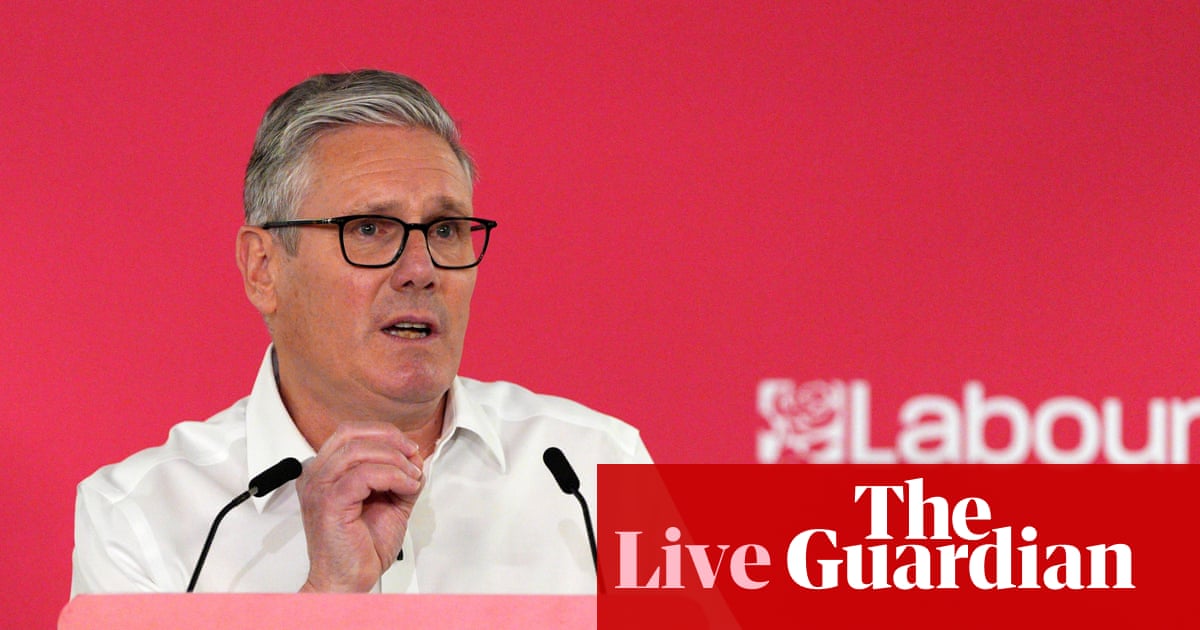
Many of us have been there: in the driver’s seat on a tricky hill start, when the engine cuts out and the car judders to a halt. Since the EU-UK summit last May – the event that was supposed to map a new and dynamic way forward – stalling is fast becoming a real risk for Keir Starmer’s most crucial long-term policy area: improving Britain’s relationship with the EU.
Today’s report by MPs on parliament’s foreign affairs committee rightly warns that despite the hugely welcome – and essential – progress in relations with our closest allies and neighbours, Starmer’s project is “suffering from a lack of direction, definition and drive”. If Labour is to deliver a growing economy, improve living standards for every UK resident and tackle the very real threat of Reform UK, getting the EU reset back into gear is a matter of urgency.
Starmer must act now, in conjunction with EU leaders and member states, to ensure the promises from last year’s summit become a reality. Here are four things the prime minister can do.
1. Implement a food and drink deal with the EU. It would make trading with our largest market easier and cheaper, and ease prices at the tills. Ministers expect a so-called sanitary and phytosanitary (SPS) agreement to add up to £5.1bn a year to the UK economy. This is a boost we sorely need, and it would show voters that politicians understand their struggles and have the tools to “make life affordable”, as the Labour MP Dr Jeevun Sandher put it after the spring statement.
2. Strike a deal on energy (or emissions trading systems (ETS)) with Europe. This would be another vital measure to address the cost of living crisis by getting heating bills down. This will have rocketed up No 10’s risk register in recent days as Donald Trump’s flagrantly unrestrained actions in Iran have turned the global temperature up even further. The world faces yet another oil price shock that will hit UK residents already stretched to breaking point. Jonny Peters, of climate thinktank E3G, warned weeks ago that the UK faced significant price spikes in the “fallout from Russia’s invasion of Ukraine”, and rightly called the UK-EU energy negotiations “absolutely vital” amid these “unforeseen geopolitical situations”. Unforeseen no longer, ministers seeking maximum mitigation for UK consumers, start here.
3. Break the negotiations logjam. Negotiations are always a process of give and take. There are policies that in effect are sitting in a traffic jam, where progress could unlock agreement in other areas. One clear example that can accelerate us towards deeper cooperation is youth mobility. The cross-party, cross-industry UK trade and business commission recommends the UK and the EU should launch a new time-limited youth experience scheme (YES), capped at 44,000 visas in the first year. It would be the UK’s largest and most generous programme of its kind, restoring brilliant opportunities for young Britons and Europeans denied them for too long by the existing Brexit deal. Their clear and cohesive recommendations identify exactly how the UK government can deliver a youth experience scheme with the EU that has the overwhelming (72%) support of the public, while honouring its manifesto pledge to lower net migration. As we’ve long argued, getting YES done will open possibilities to do so much more.
4. Come to a shared approach on defence and security. When the headlines increasingly read like a dystopian nightmare, what could be more urgent than this? People in the UK have made their feelings patently clear about Trump’s newly uninhibited wielding of US might – even prior to his actions in Iran – with British trust in the US collapsing since his restoration to the White House. Trump’s methods may relegate the ongoing Russian war in Ukraine and the bravery of the Ukrainian people ever further from the front pages, but we can never forget the shadow of Vladimir Putin on Europe’s doorstep. Our prime minister, a former international lawyer, can be only too aware of the need to collaborate ever-closer with our very nearest allies; the European democracies who share our values, priorities and history of defeating untrammelled aggression. Getting back around the table on the Security Action for Europe commission – the EU’s shared defence fund which the UK has not yet secured access to – is, bluntly, a matter of life and death.
Navigating all this is vital. Britain has regained much-needed warmth from partners across the continent. But there is more to do, including spending far more time visiting member states, not just Brussels, to build genuine and lasting goodwill. To deliver on promises, ministers must avoid cherrypicking, or requesting carve-outs or long transition periods on a food and drink deal. It’s also right to emphasise the sizeable benefits to the EU of these agreements – not only the UK – when negotiating. (A reminder that independent research by Frontier Economics found deep alignment in goods and services significantly shields Europe from US tariffs.) Once deals on SPS and ETS are bedded in, it’s time to go further and to roll out alignment to all industries, including services.
Starmer’s EU reset may currently be approaching a standstill. But with our roadmap, his efforts can regain the “direction” and “drive” Britain and the EU are searching for. Millions will say our future depends on it.
-
Naomi Smith is chief executive of Best for Britain