 2 hours ago
1
2 hours ago
1
How often have you slumped into an armchair and surfed various streaming platforms in search of escape? Even if not looking for them, you’ll have been bombarded by a vast array of crime procedurals made in the UK, the US, various continental jurisdictions and further afield. They are set in gritty urban and idyllic rural landscapes; in country houses and even submarines. Whether featuring hardbitten veteran cops or gifted middle-class amateurs, what they all have in common is murder.
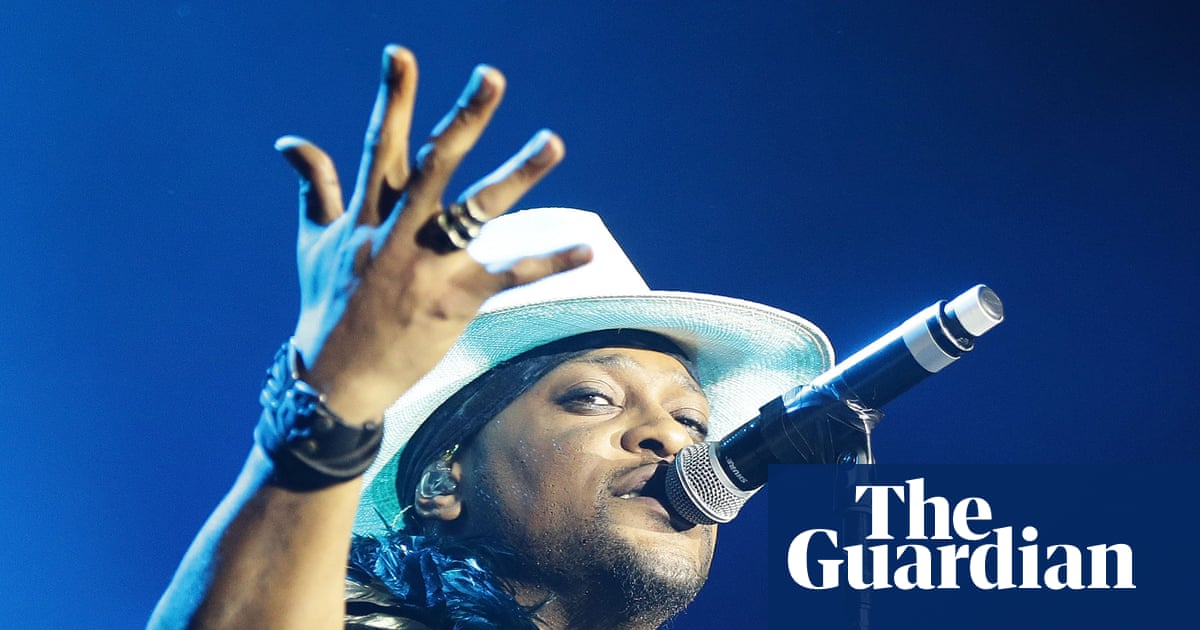
Middle England is seemingly addicted to these TV dramas and the books that inspired so many of them. The creativity that produces them is big business. But what if those who write or even just enjoy this form of popular art found themselves prosecuted for real crime, with their work or taste used as evidence of criminality? If you find this possibility ridiculous, spare a thought for the increasing number of young black men and boys charged with “gang-related offences” on the basis of their participation in, or mere engagement with rap and drill music. It’s as though prosecutors were watching The Night Manager and trying to send Hugh Laurie to prison.
It is more than three years since the Guardian published an excellent piece by Ciaran Thapar, a youth worker and writer, who shared his experience of refuting music evidence in a trial in which a group of young people faced charges of conspiracy to possess a firearm. Now, some white middle-aged police officers routinely put themselves forward as expert witnesses as to the appropriate interpretation of this predominantly youth cultural phenomenon.
Reliance on this evidence to prove motive, intention or criminal propensity is prejudiced and prejudicial. It risks grave miscarriages of justice, not least when accompanied by the dangerous doctrine of joint enterprise. The Crown Prosecution Service doesn’t keep records on the use of rap music as evidence, but a study by the University of Manchester identified 68 cases involving 252 defendants between 2020 and 2023. This is probably a significant underestimate given that first instance trials are not often reported in the media or on legal databases. Two-thirds of the defendants in the Manchester study were black, and 12% were mixed race; 82% were under 25 years old, with 15% aged 17 or younger. More than half the cases were joint-enterprise prosecutions.
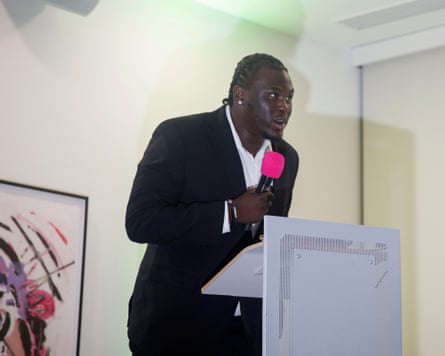
In the case of the “Manchester 10”, black teenagers were collectively sentenced in 2022 to 131 years in prison for conspiracy to murder and to cause grievous bodily harm. During the trial, a nine-second video clip of someone identified as one of the defendants, with drill music in the background, was used as evidence of his gang membership. In closing, the prosecution silk told the jury that some of the defendants had become involved in gang culture “because they had an interest in drill with its themes of violence, drugs and criminality”. The appeal court found that a police officer had misidentified Ademola Adedeji as the person in the video. The young man in question was of good character and had no gang connections. The video had nothing to do with gangs and didn’t even include rapping. Adedeji’s conviction was quashed, but only after he had served three years in prison.
Equality before the law is an age-old principle of justice. It requires that no one be above the law’s reach, nor below its protection. The shameful events currently rocking our politics only highlight the dangers of entitlement and hypocrisy, and the obvious destruction of trust in our vital institutions when there is “one law for some” and no fair hearing for others. That is why I have joined forces with my old friend Doreen Lawrence and the Art Not Evidence campaign to table an amendment to the victims and courts bill currently before parliament.
It is a modest but vital reform that would create a presumption that creative expression on the part of a defendant should not be admissible unless four tests are met. First, the expression must have a literal rather than figurative or fictional meaning. Second, it must refer to the specific facts of the alleged offence. Third, it is relevant to an issue of fact in dispute, and, last, that issue cannot be decided by other evidence. In applying these common-sense principles, courts would have to consider various factors, including the artistic conventions of the genre in question. Experts should be truly independent. Further, in the rare cases in which creative expression was admitted, the judge would give directions to the jury not to be influenced by stereotypes.
Racial stereotypes are a real danger in this context. A lack of knowledge or understanding of rap lyrics and imagery will ignore the symbolism, storytelling and exaggeration that are key features of one of the UK’s most widely consumed cultural forms. The misuse of the music in prosecutions also risks suppressing the enjoyment and expression of the art form in underprivileged communities that find it both creative and cathartic.
The deputy prime minister, who is now the justice secretary, was the author of the groundbreaking 2017 Lammy Report into the criminal justice system. Surely he will listen. Surely he must agree that just as the singing of rebel songs in north London pubs was never a reliable marker of terrorism, that the Police’s Every Breath You Take doesn’t prove Sting is a stalker, and that my love of Coppola movies doesn’t make me a mobster, for new generations in multiracial Britain, rap and drill is overwhelmingly art – and not reliable evidence.
-
Shami Chakrabarti is a lawyer, Labour peer, former shadow attorney general and the author of Human Rights: The Case for the Defence
-
Do you have an opinion on the issues raised in this article? If you would like to submit a response of up to 300 words by email to be considered for publication in our letters section, please click here.