1 day ago
28
1 day ago
28
When reporters talk about protecting their sources, it isn’t always about protecting a source’s identity. Some sources are prepared to go public. Others may have already shed their anonymity before a journalist gets in touch with them. But they all still need to be supported and safeguarded as their stories are brought to light.
“I try to ensure there are no surprises for them,” says Harry Davies, a Guardian investigations correspondent. “You have to prepare them for the exposure and talk them through what it will mean.”
Over the past six months, Harry and a team of Guardian journalists have uncovered the stories of women in the UK who have accused US servicemen stationed or operating in Britain of serious crimes, including rape and sexual assault. The women had been denied rights and protections they could have expected within the British justice system because the American servicemen were instead tried in opaque US military tribunals held in US airbases – often for lesser offences than they would have faced had the cases been heard in British courts. And the juries in these tribunals consist of fellow US military personnel, often from the same base.
One of the women our reporters spoke to was willing to waive her anonymity. Others chose to retain it. All of them were given the usual support and protections as sources for the Guardian’s subsequent reporting.
“We talked them through the process and ensured that it was their decision and we weren’t pressuring them into it,” says Harry. “They can’t be fully involved in our journalistic process because it needs to be completely independent and separate from the people we’re writing about, but we can keep them informed about how certain things are going to be described. We can talk through what it means to have your photograph taken and also about how a story may be received, even if those reactions are often hard to predict.”
The reporters on the Guardian’s Base justice investigation were all too aware that some of the women might have already been retraumatised by the relative lack of protections and safeguards in the witness stand during the US military tribunals – which are known as courts martial. Harry and fellow investigative reporter Rob Evans had applied to attend one such tribunal last April at RAF Lakenheath, the largest US base in Britain.
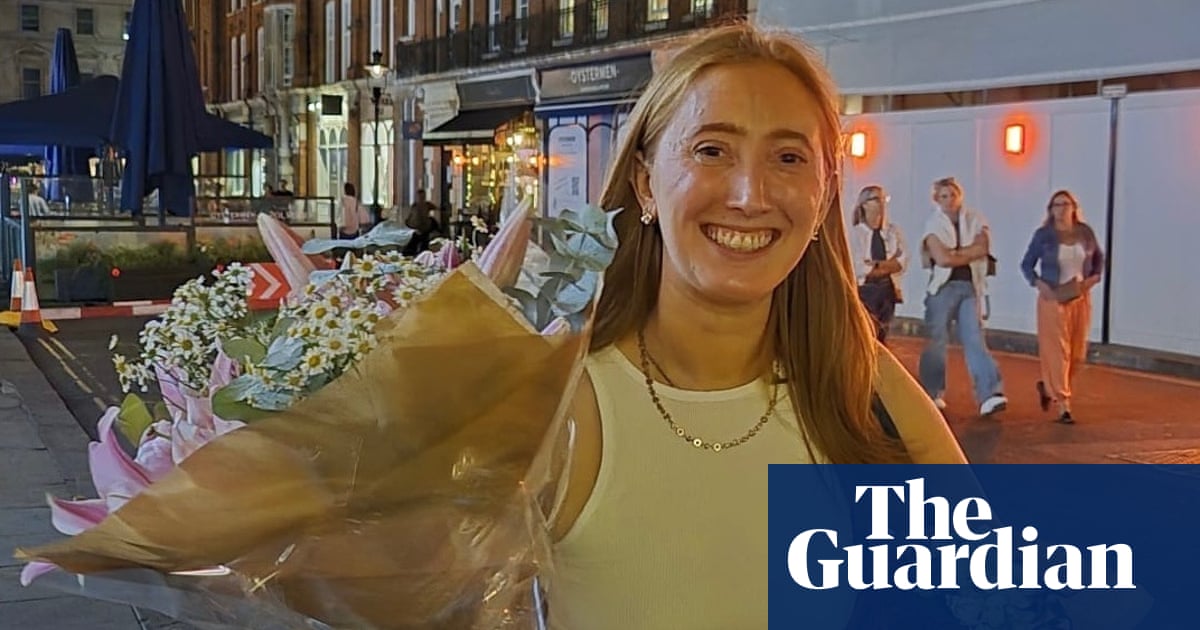
That’s where they heard the case of Sarah Steele, an academic from Cambridge who had been strangled and assaulted by the US fighter pilot Capt Jacob Wulfson. Prosecutors also accused him of drugging her, as well as sexual assault and “aggravated sexual contact” – a crime that doesn’t exist in the UK, where the offences would likely be categorised in British courts as rape. An all-male panel of eight US air force officers found Wulfson guilty of strangulation but acquitted him of the sexual assault and aggravated sexual contact charges.
Harry and Rob observed first-hand how victims of alleged sexual offences can be subjected to much more invasive questioning and potential intimidation in a US court martial than they would in a British court hearing. Steele later described her experience in the witness stand: “The ordeal I went through was incredibly distressing and degrading. It felt intrusive and archaic.”
Their reporting from Lakenheath also conveys how uncanny US airbases can feel. The stores are stocked with American candy, the base has its own shopping mall, and the currency used in its shops and cafes is dollars. To reach the emergency services, you dial 911. “You’d see an American ambulance or police cars and other indicators that you’re in a sort of quasi-sovereign territory behind fences,” says Harry. “It’s not quite a parallel reality but it is a bit like walking into a part of the US.”
Above all, they were struck by how hidden the whole thing was. “What Sarah had been through, and what we experienced in the court martial – these things would never have been known about if Rob and I hadn’t been there. The only real public record of it was a series of very limited entries on an obscure US military website.”
Harry and Rob had a hunch that there must be other similar cases out there, and that Sarah Steele’s ordeal formed part of a much bigger picture. Emine Sinmaz, a senior Guardian reporter, helped them with this painstaking work of finding other cases and also by knocking on doors, trying to find people willing to speak out and be sources, and by helping the team support and protect those sources.
“For an investigation like this, you end up drawing on the skills and expertise across the whole team,” says Harry. “Emine is such a brilliant reporter, she’s really dogged and is great at old-fashioned shoe-leather journalism. And Rob somehow manages to prise out bits of information from bureaucracies by finding the right questions to ask – whether it’s the British police, American military police, the US Air Force or the Pentagon.”
Harry recalls how they felt when they realised that Steele’s experience was very far from an isolated case: “You live for those breakthroughs. And it also laid down a challenge because we suddenly saw that there was a lot of reporting we could now go and do, and tangible leads and concrete information we could use.”
Steele waived her anonymity for the Guardian’s subsequent reporting to help raise awareness about the scale and impact of this parallel legal system for US military personnel accused of committing crimes in the UK.
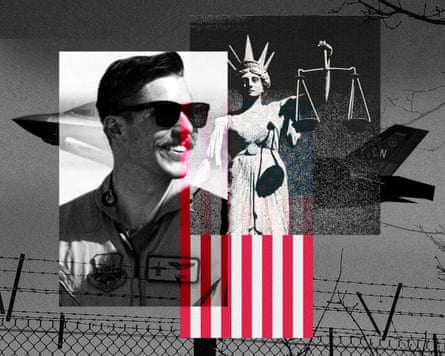
While the team has protected the identities of other victims of alleged offences, the US military personnel convicted of some of the charges brought against them are neither nameless nor faceless thanks to the Guardian’s picture researchers and designers who have ensured each of the powerful stories in our Base justice investigation is accompanied by equally powerful imagery.
“To be able to show the faces of these men was incredibly important to the story,” says art director Alex Mellon. “They have managed to avoid facing the British courts and public, so to be able to place them front and centre is really powerful.”
Alex also explains the prominence of the stars and stripes: “The inclusion of the US flag in the illustrations highlights the power it symbolises. The flag is usually used as a patriotic symbol. But in hiding behind it, these servicemen have brought it into disrepute. I wanted the concept as a whole to feel like inverted patriotic images.”
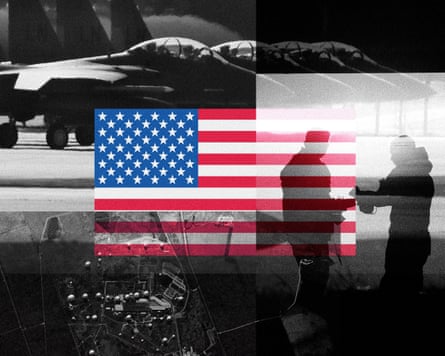
Those stories are also brought to life by photos of the fighter jets that the servicemen either flew or worked on. Jim Hedge, a picture editor, is effectively the Guardian’s go-to person when it comes to photos of military equipment, having previously written about modern combat aircraft and studied it as part of his degree. “You have to get those details right,” Jim explains. “It’s very easy to undermine all our colleagues’ hard reporting work if we unwittingly use a picture of the wrong plane – and fighter jets and tanks have started to look very similar in recent years as military budgets have been squeezed.”
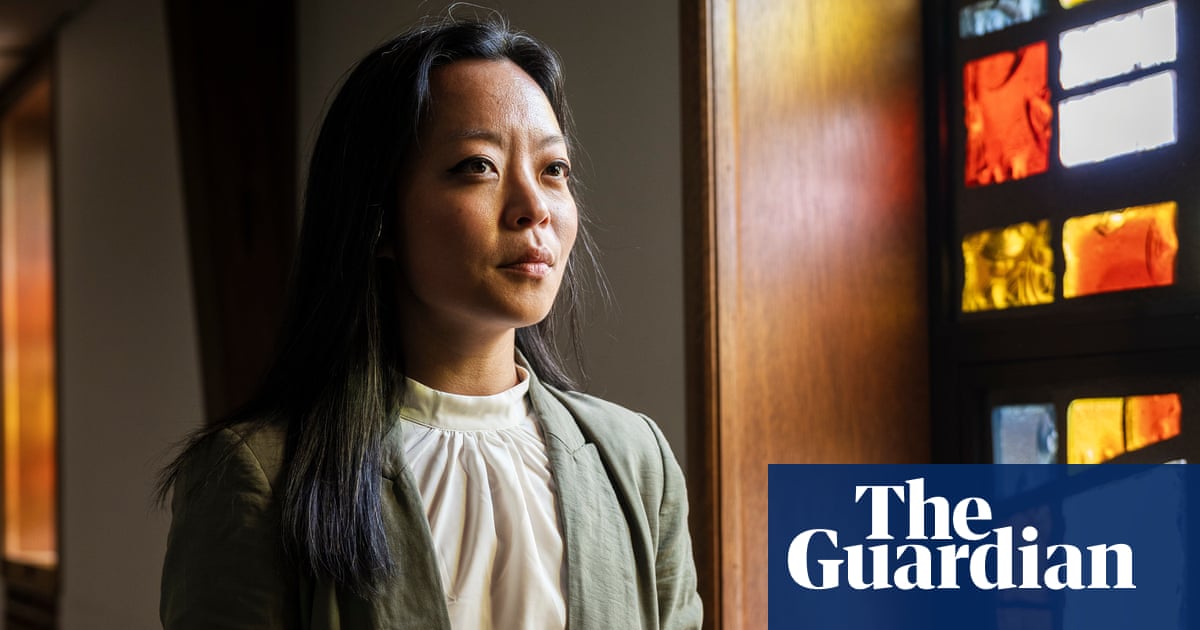
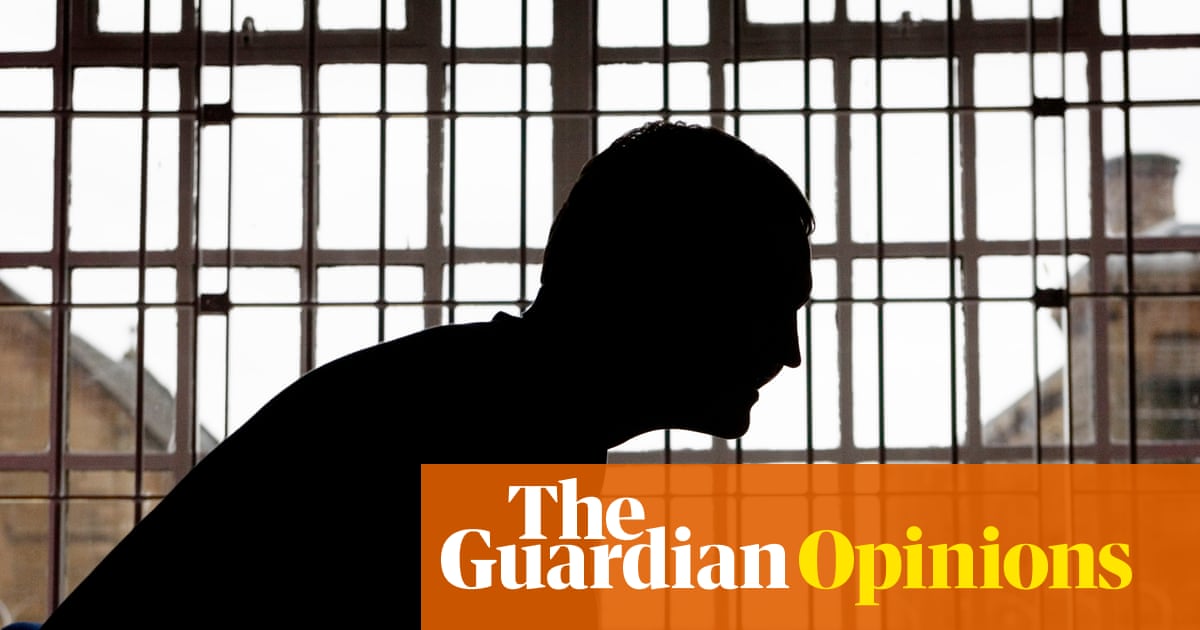
Jim also commissioned the photographs of Steele. “A big part of that commissioning job is a duty of care to vulnerable people,” he explains. “Even if a source is happy to let us show their face, we need to be careful not to show anything that might identify where they live.”
When handled correctly, the public exposure that a source might face when they waive their anonymity can also be empowering for them. “This investigation had, at its heart, a woman experiencing an extraordinary situation – and a situation which I think many people didn’t even know was possible,” says Harry. “And that seems to have caught people’s attention.”
Indeed, the first stories in the Base justice series, published in June, sparked immediate concerns from government ministers about the way US military personnel were avoiding the British justice system, despite being accused of committing serious crimes on UK soil. Likewise, we have published a moving response from an MP about the way the courts martial system denies accusers important rights and protections.
Last week, it emerged that the UK government and police chiefs have launched a review into why UK police forces have been ceding jurisdiction to US military investigators. Meanwhile, ministers have met with Steele to discuss her case and the broader issues it raises. A government spokesperson said Steele had “shown incredible bravery in coming forward”, and that ministers had “committed to identifying and learning any lessons from this case to ensure that victims are supported and treated with the seriousness, dignity and compassion they deserve”.
The Guardian is able to undertake impactful investigations such as this thanks to readers who support our work financially. Please consider supporting Guardian journalism today.