1 month ago
62
1 month ago
62
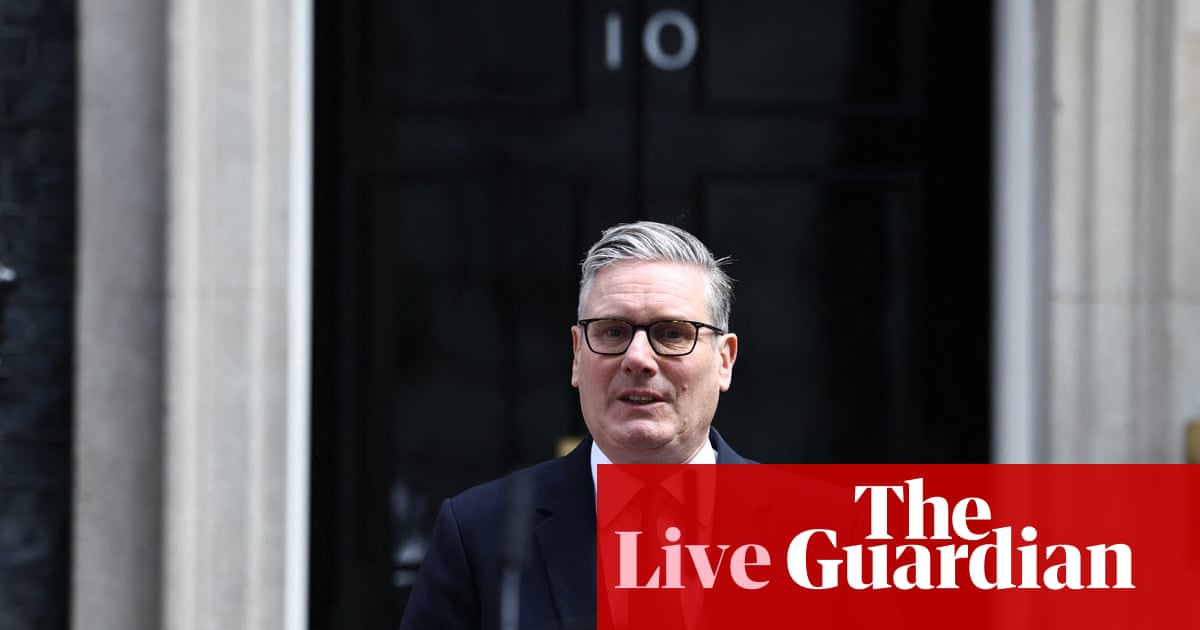
If you are Sir Keir Starmer, the results of the local and devolved elections make for grim reading. Thursday’s ballot gave almost two-thirds of Britain’s electorate the chance to vote. Fragmentation is no longer the future of British politics. In many places it is its present. After a quarter-century in which Labour and the Conservatives dominated electoral life, both parties suffered heavy losses in their traditional strongholds. Politics since the turn of the century has been upended: Reform UK seized the Tory bastion of Essex, home territory for Kemi Badenoch; the Greens wrested mayoral power in London’s Hackney and Lewisham from Labour; and Plaid Cymru routed Labour in Wales’ Senedd. This looked like more than the familiar midterm backlash, whatever the party in power. Clearly Sir Keir was on the ballot paper – and was roundly rejected by the voters.
The question is whether the prime minister is listening to the electorate – or hearing what suits him. Many voters appear unconvinced that the government represents a meaningful break from the Conservatives. The prime minister said that people had “sent a message that the change that we promised isn’t being delivered in a way they can feel”. Change exists, says Sir Keir, but people don’t perceive it. This message risks patronising voters – or at worst gaslighting them. These elections suggest that disappointment with Sir Keir has already curdled into cynicism.
Voters have demanded change in recent elections and felt neither Labour nor the Conservatives were capable of delivering it. This election exposed an electorate deeply alienated not just from the government or the opposition but from the political system itself. The beneficiaries are increasingly parties offering, in rhetoric perhaps more than substance, change. Ominously, Reform’s politics of grievance and division has proved successful in the post‑industrial “red wall” areas – taking Sunderland council from Labour after 50 years – as well as in the leafy shires where they are preferred by leave voters. Meanwhile, urban England – from Manchester to Waltham Forest – saw Labour losing out to the Greens. Sky News’ vote share analysis points to a plausible Tory-Reform alliance.
Sir Keir says he will fight the next election as Labour leader. Prime ministers rarely concede early, fearful that their authority drains away. That’s why even weakened leaders usually insist they intend to continue – until they cannot. Yet Tony Blair in 2006 did acknowledge that he would not contest another election, and remained prime minister for almost another year while retaining substantial power. Gordon Brown took over with little rancour, largely because New Labour agreed on its governing project and there was only one successor. In rejecting an “orderly transition” today, Labour high command exposes how divided it is over what a post-Starmer party would look like.
If defeating Reform mattered more than protecting his own position, Sir Keir would be sending Labour’s most popular politician – the Manchester mayor, Andy Burnham – to parliament, not sidelining him. Why should a leader unequal to the political moment continue leading through it? Scottish Labour leader Anas Sarwar looks prescient in warning that Sir Keir had become an electoral liability in February. Mr Sarwar conceded defeat with the Scottish Nationalist party heading for victory in the Holyrood parliament. Labour MPs may conclude that now is not the time to change captain. But that argument is unlikely to impress an electorate that believes the government has failed to change course.