 3 months ago
81
3 months ago
81
Down a steep, narrow staircase, the basement of the McMillan Memorial Library in Nairobi holds more than 100 enormous, dust-covered bound volumes of newspapers. Here too are the minutes of council meetings and photographic negatives going back more than a century.
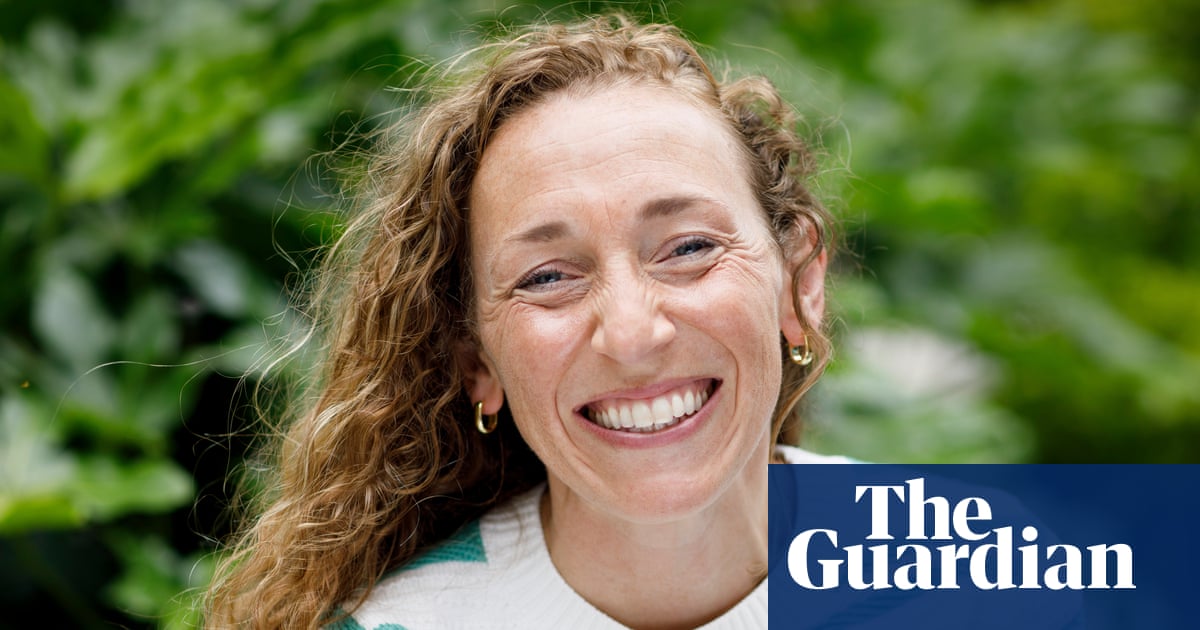
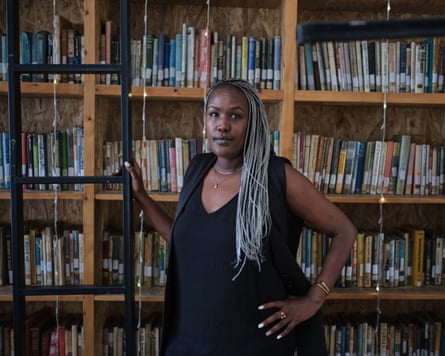
“Here lie some of the minute-by-minute recorded debates from the time British colonial powers ruled Nairobi, when it was a segregated city,” says Angela Wachuka, a publisher. Seconds later, a power cut plunges the room into darkness. “We still have a great deal of work to do,” she adds.
Wachuka and writer Wanjiru Koinange first ventured into this neoclassical building when they were hunting for a venue to host the Kwani?, now Kenya’s most significant literary festival but which until then had been held mostly in private gardens. The McMillan library, in the heart of Nairobi’s central business district, seemed ideal.
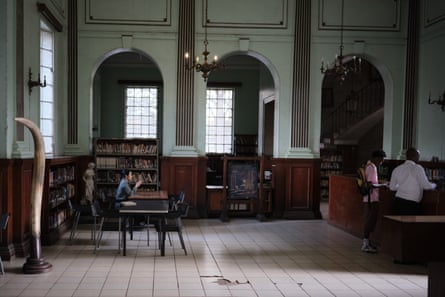
The only building in Kenya protected by an act of parliament, the library has colonial roots, built by Lucie McMillan in memory of her husband, Sir William Northrup McMillan, an American-born settler. It was inaugurated in 1931 as a “whites-only” space, the racial segregation continuing until 1958, when the city council took over its management.
The building inspired Wachuka and Koinange to found Book Bunk, a project dedicated to restoring neglected libraries. Now, nearly a decade after they first walked past those six imposing pillars and saw past the disrepair, their work has been captured in How to Build a Library, a film by two Kenyan film-makers, Maia Lekow and Christopher King.
The documentary follows the two women as they navigate the bureaucratic and financial obstacles involved in restoring and transforming three libraries: McMillan, and Kaloleni and Makadara, the latter two located in the eastern suburbs of the capital.
The choice of Kaloleni was not accidental. Built by Italian prisoners in the 1940s, it became home to the King’s African Rifles after the regiment returned from the second world war, and its social hall became a symbolic site in Kenya’s independence movement. The library’s restoration was completed in 2020 and it is now the smallest of the three, primarily serving children.
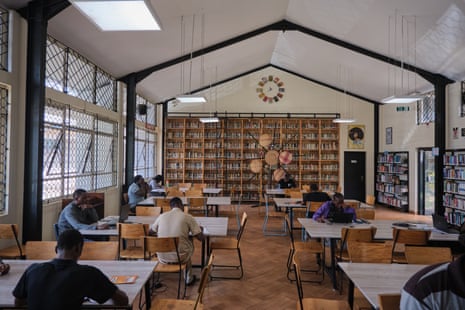
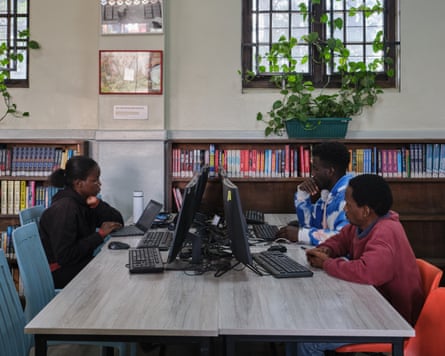
Book Bunk’s work extends far beyond physical restoration. “The goal has been to demystify libraries and turn them into spaces that are huge multipliers of what’s possible,” Wachuka says.
Both Kaloleni and Makadara regularly host workshops, dance, art and music classes, as well as computer literacy sessions. Book Bunk has also facilitated the hiring of tutors to support schoolchildren.
The initiative has created around 10 jobs and actively involves local people in identifying needs and shaping the libraries’ programming. Wachuka points to what she considers one of the project’s major breakthroughs: “We’ve collected numerous testimonials from parents saying their children are now able to articulate themselves with much more confidence, as well as showing improvements in school performance and behaviour.”
Veronica Nderitu has worked with the project for three years. “In the past,” she says “mothers avoided coming because they thought they would have to pay and didn’t really know what happened here. Now, beyond being a place with computers, free wifi and books, they understand it’s a safe and supportive space for their children’s education.”
McMillan’s parliamentary protection status has significantly lengthened the restoration timeline but Wachuka adds: “It has also given us the chance to go deeper into the technical process of heritage conservation.”
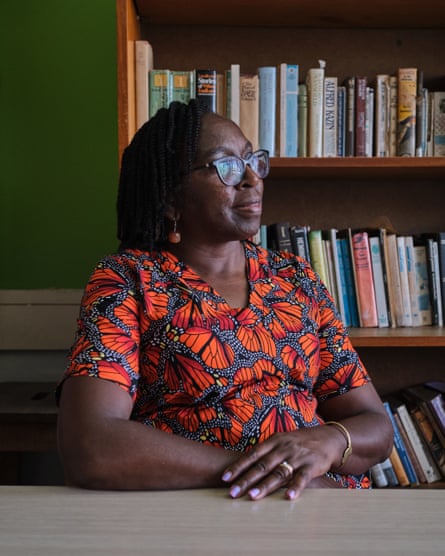
Although not a single architectural stone of the McMillan has been moved since the project began in 2017, restoration has advanced in other ways. In 2020, Book Bunk partnered with African Digital Heritage and digitised tens of thousands of documents, catalogued more than 250,000 books, added 23,000 new titles to the shelves, produced a podcast on the library’s history, mapped 356 libraries across Kenya and organised annual fundraising galas.
“This is also part of the restoration journey,” says Wachuka, who is also co-director of the Nairobi literary festival. “Since we started, the number of daily visitors has increased by 250%,” she adds.
Beyond these tangible results, Book Bunk has long-term ambitions: fostering a deeper connection with reading itself. Miriam Maranga Musonye, chair of the University of Nairobi’s literature department, stresses the importance of centring access to books around African authors and voices.
“We believe that self-understanding and self-awareness are the keys to comprehending the world,” she says. “When African voices are hidden, or suppressed from history, and only external voices are heard, it leaves a major gap.”
That principle is a cornerstone of the restoration project. In the documentary, a young woman reflects on how alarming it was to find almost no African authors in McMillan’s original collection. Wachuka says they are building “a world-class collection, but with a particular focus on strengthening the African section, because it has historically been the most neglected”.
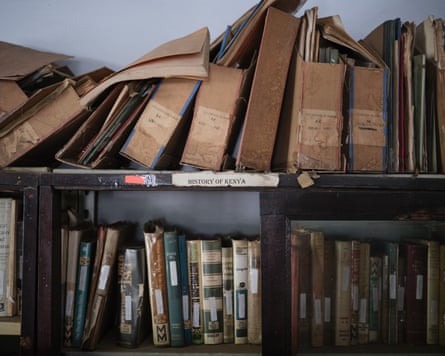
The building’s historical value is crucial, Wachuka says “There’s so much about that building that feels like a time capsule, like you’re back in the 1930s – the décor, the feeling when you walk in.
“I’d love that feeling to be more inclusive,” she adds, “and to see a bigger nod to contemporary Kenya, and Nairobi specifically.”