 1 month ago
43
1 month ago
43
Ecological harm from pesticides is growing globally, a study has found, with bugs, fish, pollinators and land-based plants among six species groups hit hardest.
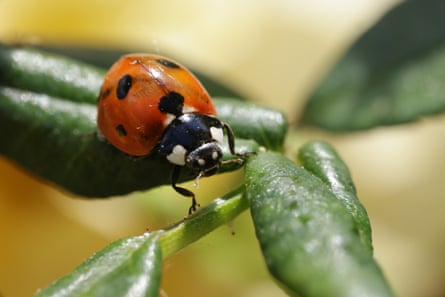
Insects suffered the greatest increase in harm from synthetic farm chemicals between 2013 and 2019, the study shows, with “applied” toxicity rising by 42.9%, followed by soil organisms, which faced an increase of 30.8%.
Aquatic plants and land-based vertebrates were the only two groups for which the danger fell.
World leaders promised to halve the risks from pesticides by the end of the decade at a 2022 UN summit. Last year, the UN adopted an indicator of progress known as total applied toxicity (TAT), which factors in the different levels of harm that chemicals cause different species.
To monitor progress toward the biodiversity pledge, the researchers used the TAT framework and safety thresholds from seven regulatory authorities around the world to develop a globally consistent measure of damage from 625 pesticides.
Jakob Wolfram, an ecotoxicologist at RPTU University Kaiserslautern-Landau and lead author of the study, said he was “highly concerned” by the trend, especially in developing countries and regions with high biodiversity.
“It should be a stark warning that applied toxicities are still increasing in many regions, particularly for species groups that serve vital ecological functions,” he said.
The study, which examined 65 countries representing almost 80% of farmland on the planet, found total applied toxicity fell in Europe, which began to phase out neonicotinoids in 2013, and China, which introduced a zero-growth-pesticide policy in 2015.
However, toxicity increased considerably in much of Africa, India, the US, Brazil and Russia. Chile is the only country on track to meet the UN target of reducing pesticide risk by 50% by 2030, the study found.
Mónica Martínez Haro, a wildlife toxicologist at Spain’s National Research Council, who was not involved in the study, described the research as “highly relevant and high-quality” but said the results may be partly underestimated given limitations in the data.
She said pesticides were designed to act lethally on target organisms but could also act “sub-lethally and silently” on other organisms, masking some of their effects on ecological health.
Martínez Haro said: “This is a key study that highlights the urgent need for substantial measures at a global level – such as agricultural diversification, less intensive soil management, greater conversion to organic farming, and the switch to less toxic pesticides – if the United Nations’ goal of safeguarding biodiversity is to be achieved.”
Synthetic chemicals that kill pests have increased the productivity of farmland, allowing more food to be grown on the same area, but have harmed the ecosystems in which they are used.
The researchers studied 2013 to 2019 because it had the best global data coverage, but said applied toxicity had probably continued to rise as pesticide application trends have continued. Farmers around the world spray about 4m tons of pesticides each year, nearly double what they did in the 1990s.
Wolfram said the global rise in applied toxicities of pesticides for most species groups suggested that ecosystems had become “increasingly impaired” by pesticides. “[This] directly counteracts the risk reduction target set out by the UN’s Global Biodiversity Framework.”
While the new tool allowed the world to gauge progress towards the target, Wolfram added, the pesticide application data needed was sparsely available for most countries, and often of insufficient quality. “One central call from our study is that long-term, high-quality data is needed globally to assess the current status and trends of applied toxicities.”