1 month ago
34
1 month ago
34
After months of threats from Donald Trump, the president of Cuba, Miguel Díaz-Canel, has said that his government is willing to talk to the United States, just so long as it is “without pressure”.
Standing in front of a life-sized photograph of Fidel Castro carrying a rifle during the 1959 revolution, Díaz-Canel, the 65-year-old president, said on Thursday that his island nation had been subject to an “intense media campaigns of slander, hatred and psychological warfare”.
Nonetheless, he said, the country was “willing to engage in dialogue with the United States, a dialogue on any topic, but without pressure or preconditions”.
The speech was broadcast on television, radio and YouTube. The Cuban government has found itself facing mounting threats of regime change from US officials, particularly since the 3 January US military capture of Nicolás Maduro, the president of Venezuela and the island’s traditional ally.
On Sunday, Trump suggested that talks were already under way, telling reportings: “Cuba is a failing nation. It has been for a long time but now it doesn’t have Venezuela to prop it up. So we’re talking to the people from Cuba, the highest people in Cuba, to see what happens.
“I think we’re going to make a deal with Cuba.”
Last month, Trump signed an executive order threatening to impose additional tariffs on countries that sell oil to Cuba, and he later claimed that Mexico had agreed to halt shipments of oil at his request – a claim the Mexican president, Claudia Sheinbaum, has rejected.
On Thursday Reuters reported that an oil tanker that has previously transported Venezuelan fuel to Cuba had finished loading a 150,000-barrel cargo of gasoline, in a possible sign that the South American country could be preparing to send supplies to the island.
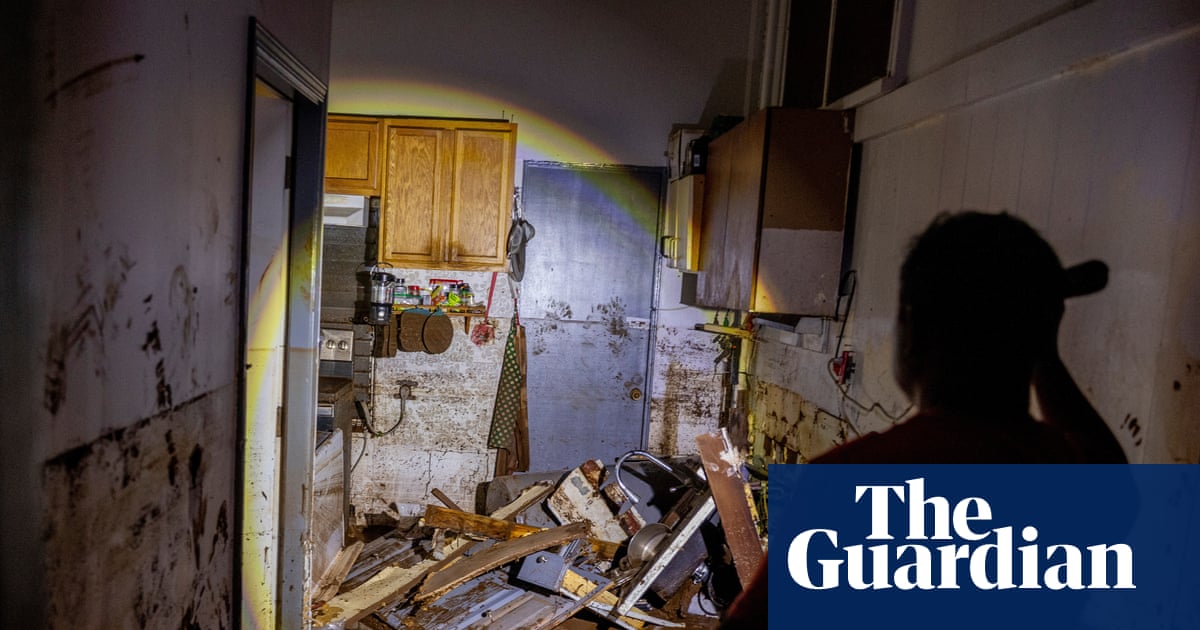
But Cuba’s government is preparing the population for hardships beyond those already apparent. The island is already amid an economic slump that has seen people begging on the streets and rooting through bins for food. In recent years, hyper-inflation has slashed state salaries and pensions. Widespread power outages continued on Thursday, with reports that the whole east region of the island was offline.
Díaz-Canel said he had received messages from the presidents of China and Russia, along with many others from all over the world. “They expressed their support, commitment and determination to continue collaboration and cooperation with Cuba and Venezuela,” he said
However, a Havana-based businessman who has worked with the Cuban government for more than 25 years, said: “They are out of options. There are strong rumours of talks already under way in Mexico.”
In his speech, Díaz-Canel said: “The energy persecution, the financial persecution, the intensification of the blockade with these coercive measures is such that we know we have to do a very strong, very creative, very intelligent job to overcome all these obstacles.
”We are going to take measures that, while not permanent, will require effort.”
And in interviews preceding the statement, other government ministers made it clear what that meant.
“It’s not easy,” the deputy foreign minister, Carlos Fernández de Cossío, told the news agency Efe. “It’s difficult for the government and very difficult for the population as a whole.”