 1 month ago
36
1 month ago
36
When I left New York for Madrid, starting a new life with my then boyfriend, I was definitely looking at the world through rose-tinted glasses. Despite being the daughter of migrants from the Caribbean, it seemed like a relatively easy choice to settle into undocumented status once my tourist visa expired, all in the name of love and adventure. I understood that my US passport conferred many privileges that would buoy me.
When the heartache of our breakup came, I suddenly realised what it meant to be more than 3,000 miles away from close friends and family. In a daze one winter morning, I lost my Manhattan street smarts just long enough to mope my way into a police raid on a group of manteros, people who sell counterfeit handbags on the street, often arriving in Spain from sub-Saharan nations.
I met the eyes of an officer who demanded to see identification. Had I not visited a lawyer the day before, who advised me never to speak in Spanish to the police, and had I not been a young mixed-race woman with skin nowhere near as dark as the men being rounded up around me, then the rich Spanish life I have grown into – starting a family here, sitting on the village school’s PTA, swapping baked goods with my neighbours – might never have existed.
What troubles me is that as I saved my own hide by speaking to the police officer in perfect English – she assumed I was a university student – I have no idea what became of the men who were rounded up. I was too spooked to look back as I walked away from the encounter. The difference between their passports and mine meant everything, then as it does now – not least back in my native US.
That was 2010, but these memories of my early days in Spain returned last week as Pedro Sánchez’s government announced that it will regularise 500,000 undocumented people. And with this one government decree will come a wave of relief for all those who no longer have to fear deportation. “It’s like a gift from God,” as one person said.
The successful efforts of Sánchez’s coalition partner Podemos to bring this about have been met with consternation on the right. The leader of the People’s party (PP), Alberto Núñez Feijóo, described the government’s announcement as an attempt to divert attention from the fatal high-speed rail crash the week before, while also claiming that “in socialist Spain, illegality is rewarded”. The PP has recently shifted its stance on immigration further to the right, bringing it almost in line with the far-right Vox.
This is especially notable because between 1986 and 2005, governments on both the left and right offered amnesty to undocumented migrants on six occasions – with the longest period between such regularisation drives lasting about five years. In the 21 years since the last amnesty, immigration has risen sharply, and it is no coincidence that Spain has become an economic success story that is the envy of Europe. Last year, foreigners made up 16% of Spain’s new workforce.
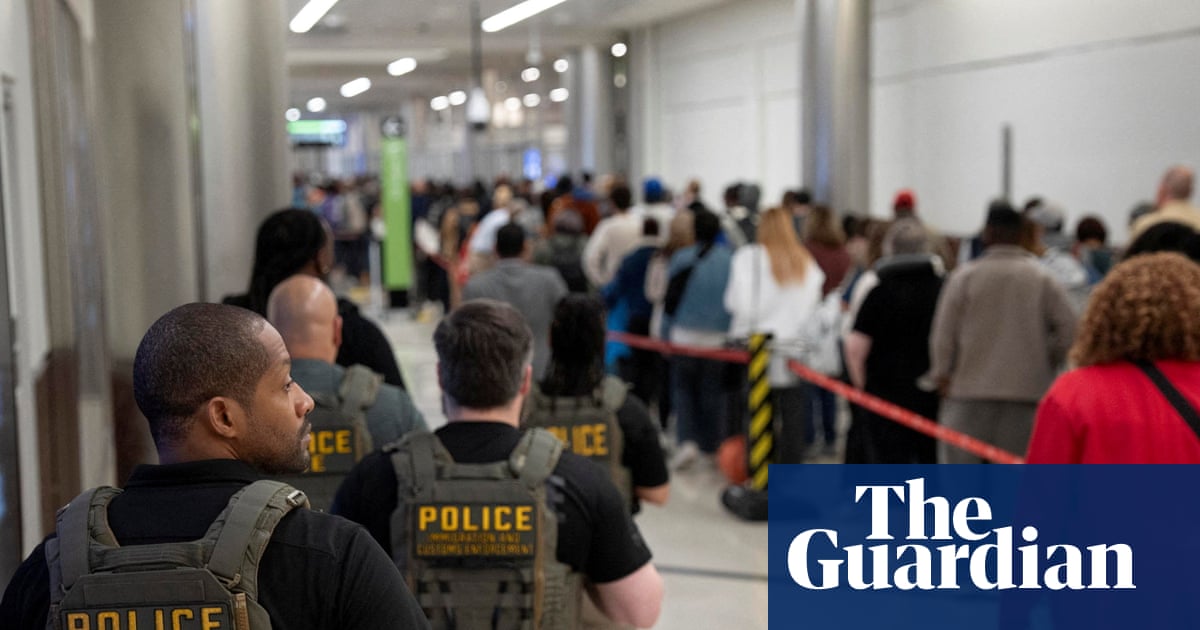
The entrepreneurial spirit of its migrants is a rich resource for Spain – and stands in sharp contrast to the violence and vitriol we are seeing from ICE agents and their supporters in the US, and across Europe. Crucially, this new regularisation drive will transform the lives of some of this country’s most vulnerable people. Undocumented migrants are overrepresented in labour markets with little protection in the way of workers’ and human rights, particularly in domestic services, sex work, construction and agriculture.
Far from the capital in the Spanish south, undocumented agricultural workers pick the fruit and vegetables delivered to tables across the UK and Europe on a daily basis. In her novel Tierra de la Luz, journalist Lucia Mbomío compiled accounts of the way those undocumented workers struggle to survive in shanties on the edges of the fields.
Though the new legislation will not by itself improve those conditions, or eliminate institutional racism, it will give hundreds of thousands of people an opportunity to build a more robust, stable life, and contribute to our adoptive home. I managed to gain my residency after living here for a four-year period, because I was able to secure a work contract. After ensuring that I filed paperwork correctly for another five years, I gained permanent residency. Though I have been lucky, I have always had friends struggling with their residency status, with all the stresses and strains that this brings.
It is the way of immigrants and their children; it can feel like a lifelong sentence, to always be an outsider. Spain was my Caribbean family’s European coloniser. Our comings and goings over the centuries have been like tides lapping the shores on either side of the Atlantic. When my grandmother left her native Dominican Republic for Puerto Rico, she spent her first nights away from home sleeping in a morgue. It was an arrangement made thanks to the friend of a friend, and it kept her off the streets long enough to find work. After five years of saving up, she was able to bring her four children to live with her. Had she never migrated, had she been rounded up by an equivalent of ICE, she would have never opened the cafe that became the heart of her new neighbourhood. And my mother and I would never have been able to live and study in New York City.
Migrants deserve the dignified lives that are too often denied to them, and this overdue regularisation drive should provide some of that missing dignity. Spain’s economy will continue to boom, thanks to the vitality of people who have already established their lives here, and who are finally being given an opportunity to participate fully and openly in Spanish society.
-
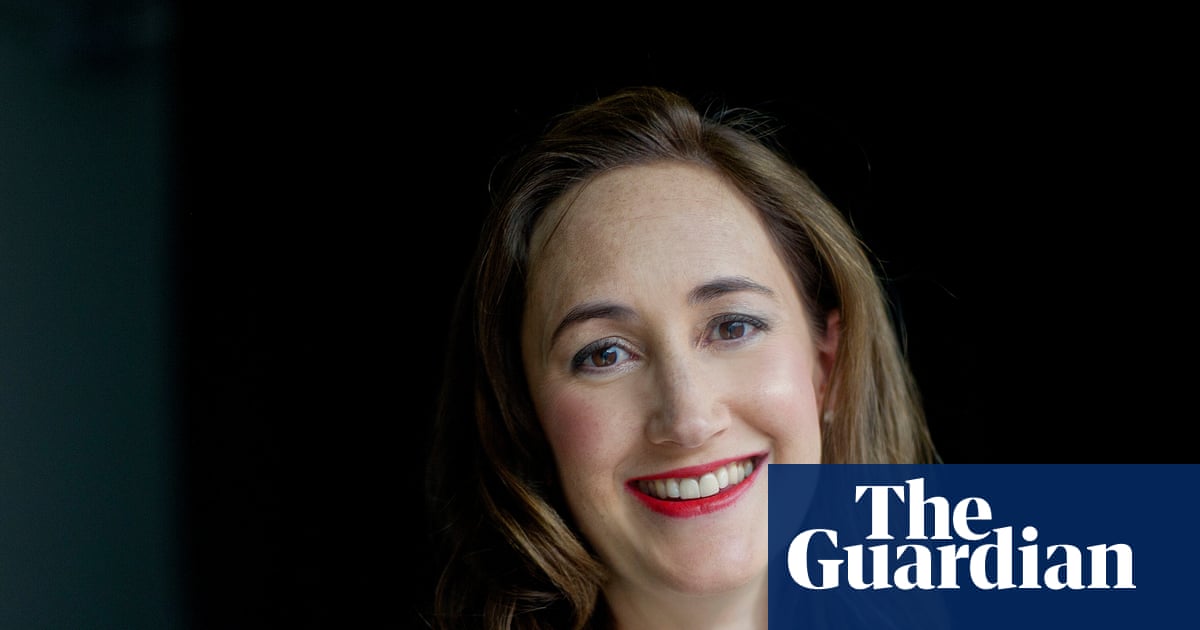
Francheska Melendez is a freelance journalist based in Madrid