 6 hours ago
13
6 hours ago
13
Venice’s new mayor has said he hopes to raise a controversial entrance fee for day-trippers to the lagoon city to as much as €50 (£43).
Simone Venturini, the rightwing former tourism councillor who was elected as mayor in late May, said the proposal was aimed at further discouraging arrivals “during periods of heightened tourist pressure”.
In 2024, Venice became the first tourist city in the world to charge people to enter, introducing a €5 fee on 29 peak dates between April and July.
The levy returned in 2025, with an expansion to 54 dates and charging last-minute day-trippers double. This year, the initiative covers 60 dates.
Although the scheme has had little impact on visitor numbers, it did rake in €2.4m for the city’s coffers in its first year, much more than expected, and Venice authorities still believe it will eventually contribute to helping the Unesco world heritage city tackle overtourism.
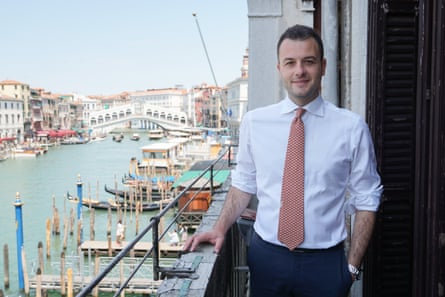
Venturini pledged during his election campaign to raise the fee to between €30 and €50, depending on the dates.
He said the council was studying a proposal that it intended to present to the national government seeking permission to increase the entrance fee “on certain days and when specific booking thresholds are exceeded”.
The toll is payable online, and in return visitors get a QR code that they must present to stewards hired to patrol the city’s main entrance points, such as Venezia Santa Lucia train station.
Anyone who books an overnight stay in Venice is exempt from paying the fee, as are tourists from the wider Veneto region, which is where most day-trippers come from, as well as children under the age of 14. But even if a visitor has booked a hotel room, they are still obliged to register their presence on the website.
Venturini said: “The admission fee is currently the only effective tool to control daily visitor numbers. We are therefore working on a proposal to make it more effective on high-traffic days, with the aim of finding a new balance between the needs of residents, workers and visitors.”
He said the funds generated from the fee would be used “to finance city services and support the maintenance and protection of a unique city, built on water, whose costs exceed €100m each year”.