 4 hours ago
10
4 hours ago
10
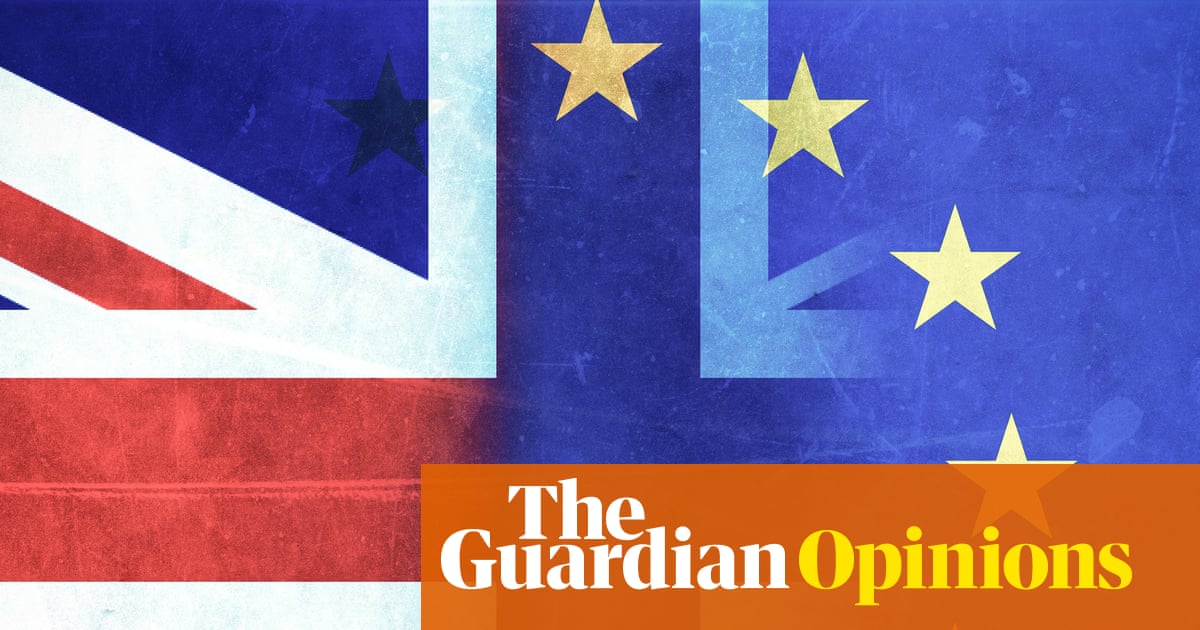
The UK was last night desperately trying to reassure Kyiv its new sanctions policy on Russia did not weaken restrictions, after Ukrainian officials warned the change could help Moscow fund its war efforts.
While Downing Street insisted the decision to allow the temporary import of Russian oil and jet fuel was only one element of a tougher overall sanctions package, a British minister conceded that the matter had been handled “clumsily”.
Speaking on Wednesday evening, Volodymyr Zelenskyy, the Ukrainian president, said there had been discussions with the UK about the sanctions package and Ukraine had “conveyed our views”.
Yvette Cooper, the foreign secretary, is understood to have spoken to her Ukrainian counterpart, Andrii Sybiha, with UK diplomats in Ukraine also seeking to reassure officials in Kyiv.
Zelenskyy said: “Of course, our team has been in contact with the UK today. The issue of sanctions is always a very sensitive one, and there has been much discussion in the media and among politicians. We have conveyed our views on this matter to London.”
Saying that long-term sanctions were “what most effectively influence Russia”, he added that the expectation was that the matter would be discussed further with the UK this week.
The row began after the announcement of expanded UK sanctions against Russia that came into force on Tuesday. Initially announced in October, the sanctions banned Russian oil products processed in a third country.
There were, however, some short-term exceptions added to the initial plan because the Iran war has pushed up fuel costs. Jet fuel and diesel refined from Russian crude will be allowed in on a temporary basis, as well as fossil gas shipments from two Russian terminals.
The licences will last for three months before they are reviewed. Starmer’s spokesperson told reporters that such measures were “standard practice to ensure market stability, used by both this government and previous administrations”.
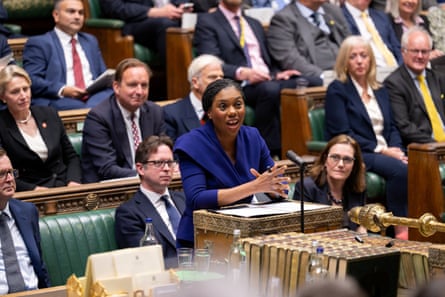
But the decision prompted a furious reaction from the Conservatives. Kemi Badenoch, the Tory leader, used prime minister’s questions in the Commons to accuse Starmer of having “snuck out an announcement that it was removing sanctions on Russian oil”.
The government, she said, was “choosing to buy dirty Russian oil, that money will be used to fund the killing of Ukrainian soldiers”.
Starmer accused Badenoch of misrepresenting the sanctions package for political advantage, saying the phasing-in of some sanctions was also done by other countries.
He said: “What we announced yesterday was a strong new package of new sanctions going well beyond existing sanctions, so it is a new package. This includes new bans on maritime services on LNG [liquefied natural gas] and new bans on refined oil products from Russia. We also issued two targeted short-term licences to phase the new sanctions in and to protect UK consumers. That is standard practice.”
However, Ukrainian officials expressed disappointment at the decision. One former senior government figure described western sanctions policy against Russia as “too little too late”. They added: “I’m not sure I understand the logic behind this British decision. The only way Ukraine can stop the war is to put physical sanctions on Russia and destroy its infrastructure.”
The source said Vladimir Putin would decide over the summer whether to launch another winter campaign against Ukraine, or wind down his invasion. Two factors would influence his decision: the situation on the battlefield and the attitude of Ukraine’s allies.
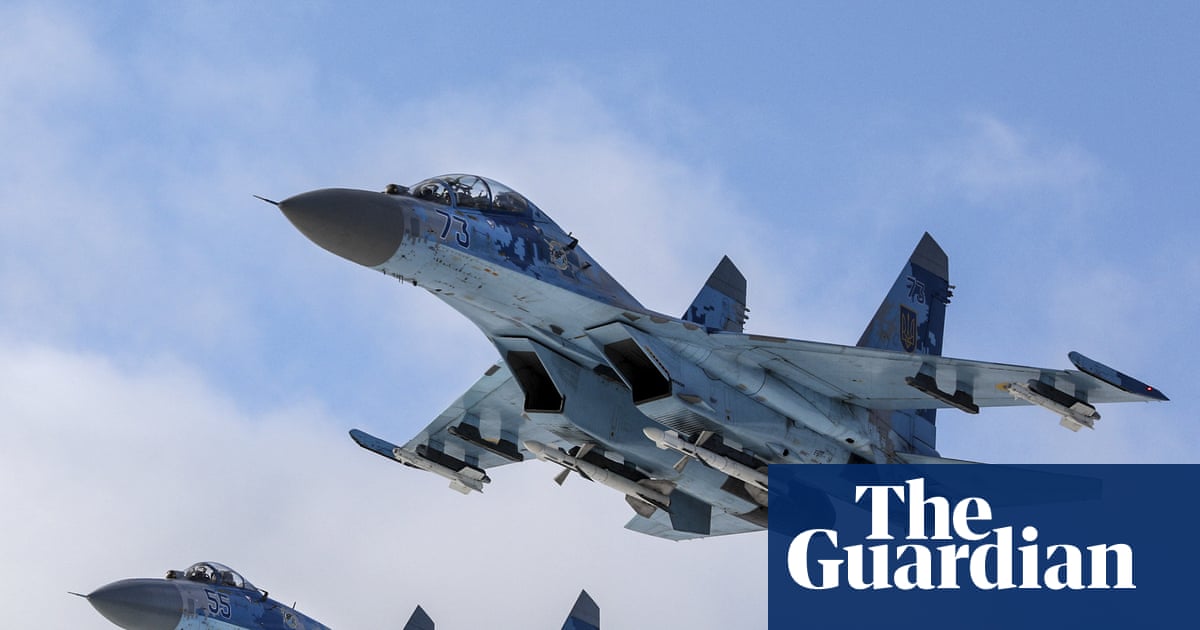
Kyiv has intensified strikes against Russia’s oil infrastructure, hitting ports on the Baltic and Black Seas, as well as refineries in the Urals, more than 900 miles (1,500km) from the frontline. These strikes were “effective” and would “tangibly compel” Russia to “reduce its aggression”, Zelenskyy said on Wednesday.
Writing on Facebook, Vladyslav Vlasiuk, a Ukrainian government sanctions commissioner, called Downing Street’s decision “to some extent predictable”. He wrote: “What can one say? They’re treating the symptoms instead of addressing the causes. Russia will channel all the extra money it makes into the war against us.”
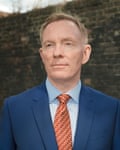
Speaking after Starmer in the Commons, Chris Bryant, a trade minister, repeated the UK argument that sanctions were being strengthened. “We’ve handled this clumsily and that’s entirely my fault and I apologise to all honourable members,” he said, replying to an urgent question from the Conservatives. “We’ve ended up giving the wrong impression of what we’re trying to do. We’re trying to strengthen the regime, not weaken it.”
Bryant blamed poor communication between his own Department for Business and Trade and the Foreign Office, adding that this was “entirely my fault and nobody else’s, so if anybody wants to have a go at anybody, they can just have a go at me”.
Speaking on Wednesday morning, Emily Thornberry, the Labour MP who chairs the Commons foreign affairs committee, criticised the plan. She told BBC Radio 4’s Today programme: “We are talking about our allies in Ukraine who have been fighting a war bravely against Russia for years and years with our support.
“They have looked to Britain as one of their most important allies, and they don’t understand, given that we promised that we would stop this loophole in October, and we still haven’t done it. In fact, it seems to have got worse. People feel very let down.”