 1 month ago
38
1 month ago
38
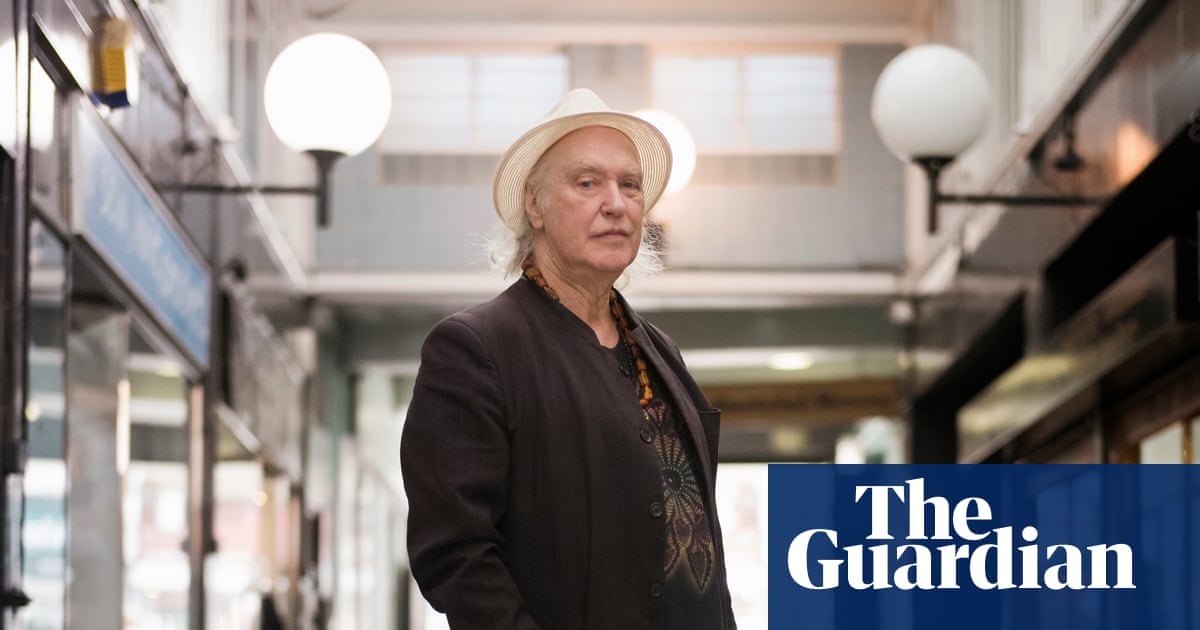
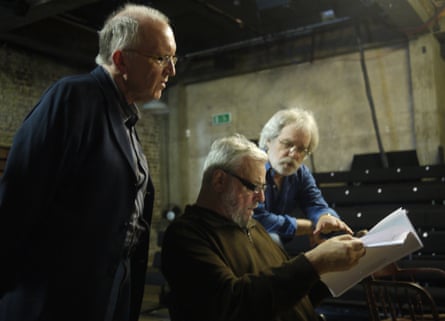
The Tony award-winning theatre director John Doyle has warned that trigger warnings before plays risks “mollycoddling” audiences and sanitising theatre.
The Scottish director, who has led four British theatres, said: “Take care of the audience, but the theatre is supposed to make you uncomfortable. It’s supposed to make you fearful.
“The Greeks wrote those plays because they wanted you to look at your inner darkness. If we mollycoddle the audience too much, what’s the point?”
Noting that some universities would not study Shakespeare “because they don’t want to upset students”, Doyle said: “Shakespeare wrote about everything that there is to be about the human condition at its darkest. Incest, murder, regicide, you name it, he wrote about it. But there’ll be nothing left if we make everything ‘nice’. We shouldn’t be afraid of challenging the audience at every opportunity.”
He added: “My response is simple – why read, see or do the play if you’ve been warned that it may upset you? It’s meant to upset you.
“There’s a big debate that should be had about how we inform our audiences and how we sustain the surprise and disturbance that is intrinsic in playmaking.”
Trigger warnings inform audiences that they may find a particular drama distressing, alerting them to everything from violence to loud noises. The Royal Shakespeare Company has included what it describes as “content advisory” notices in its new touring production of Hamlet, telling audiences that it contains “scenes of an adult nature including death and depictions of grief”.
Last year, dismissing the need for such warnings, Dame Judi Dench advised “sensitive” fans not to go to the theatre, saying: “It must be a pretty long trigger warning before King Lear or Titus Andronicus”.
Doyle recalled working with students on a production of Strindberg’s Miss Julie: “One of them was cross with me because I hadn’t given her a trigger warning about the play. She said that the play upset her. I said: Well, Strindberg wanted you to be upset. If I gave you a trigger warning, I would have been taking away the aim of the writer.’”
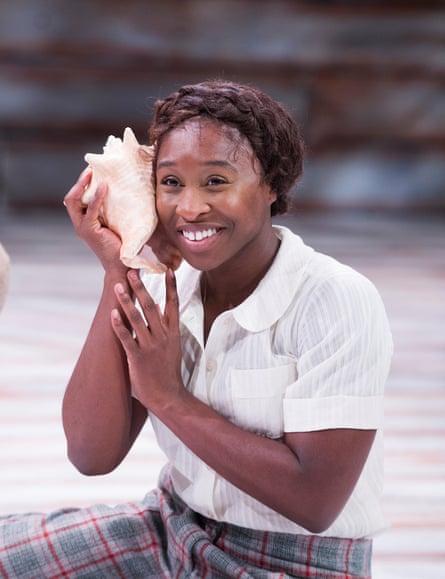
Doyle has been hailed as the saviour of the Broadway musical. His acclaimed productions include Sweeney Todd, Company and The Color Purple. The latter was a box office hit that starred Cynthia Erivo and Jennifer Hudson on Broadway in 2015, having transferred from London, where it was staged by the Menier Chocolate Factory.
He has just published his first book, Opening Doors: Reimagining the American Musical, which “reflects on the 50-year theatrical journey” taken by a boy who grew up in a council house in Inverness in a family that had no money.
In one passage, he recalled that his mother “came from a generation “devoid” of trigger warnings. “They could face the uncomfortable aspects of what make us human,” he wrote. “I have great reservations about warning the audience of what they are going to experience. Isn’t that raw experience, the point of the theatre? Perhaps to disturb really is part of the job.”
He argued that part of the problem was the steep cost of staging productions in an industry where the financial risk is “extreme” and very few companies make back the money that they invest. “Producers and directors have become afraid of challenging the audiences because somebody might say: ‘Oh, don’t go and see it as it’s too upsetting.’”
Critics have noted that Doyle made his name by stripping musicals down to their bare essentials. In productions such as Cabaret and Fiddler on the Roof, for example, the actors played the instruments on stage.

He believes that the cost of making theatre has “got out of hand” and that the artform is “not as culturally inclusive as it should be”, partly because tickets have become so expensive.
He added: “That’s because it’s so expensive to make theatre and I think that’s not necessary. We shouldn’t be making movies on stage that rely on spectacle and spectacular special effects.
“We should go back to honest storytelling that needn’t cost as much money. Once you put technological imagery on a platform as an artist, you’re not really any longer in control of that. It’s not your soul. Go back to something that is storytelling, which is people in a room talking to each other.”