 1 month ago
47
1 month ago
47
In the early hours of 3 January, Donald Trump ordered a surprise attack on the Venezuelan capital, Caracas, to kidnap the country’s leader, Nicolás Maduro. Millions of Venezuelans’ lives were thrown into uncertainty. Politicians at home and abroad scrambled to respond. It seemed this was something no one had seen coming. Except one person did actually predict it.
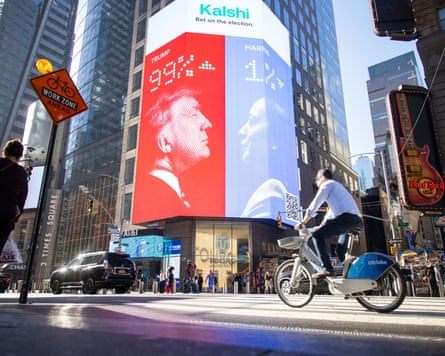
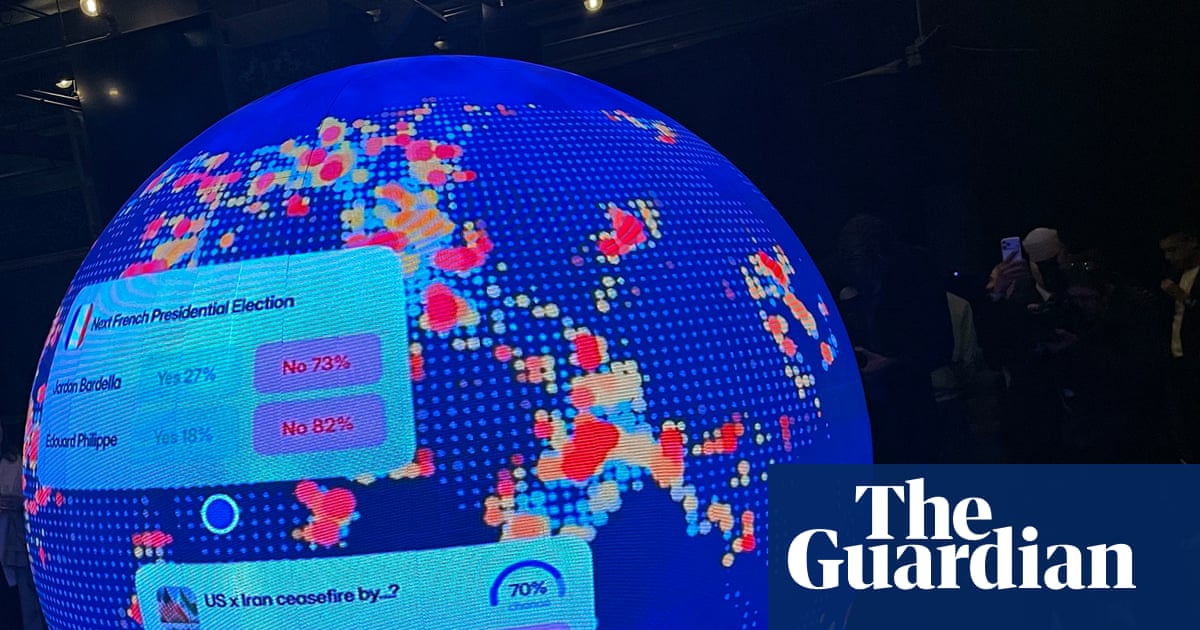
In the hours before the attack, someone - and we have no way of knowing who - placed a series of bets that Donald Trump would oust Maduro on a prediction market platform, netting them nearly $500,000 when it happened. These platforms allow their users not just to bet on whoever’s going to win the Super Bowl, but also on world events. Heavily regulated under the Biden administration, these apps have enjoyed a huge boom in popularity since Trump came to power.
The Atlantic’s senior editor, Saahil Desai, explains them to Annie Kelly. “They’re called prediction markets because these sites are thought of as more akin to stock markets. The idea being that you put money based on what you think will happen. And in that sense, prediction markets let you forecast the future. But in effect, it’s just a fancy way of betting.”
He explains why the fact that media organisations are partnering with prediction market platforms is a worrying trend. “Let’s say you are a donor to a major Senate candidate. You could put millions of dollars into the prediction market for whether your preferred candidate would win and swing the odds. And so you can really shape media coverage in a way that you can’t with traditional polling. And all of that is exacerbated as media outlets start to incorporate this into their coverage.”
But how do they work, why are they such big news in the US and why does Trump want to set up his own?
Archive sources: NBC, BBC, CBS, CNN, CNBC, Daily Mail, 60 Minutes