 2 hours ago
9
2 hours ago
9
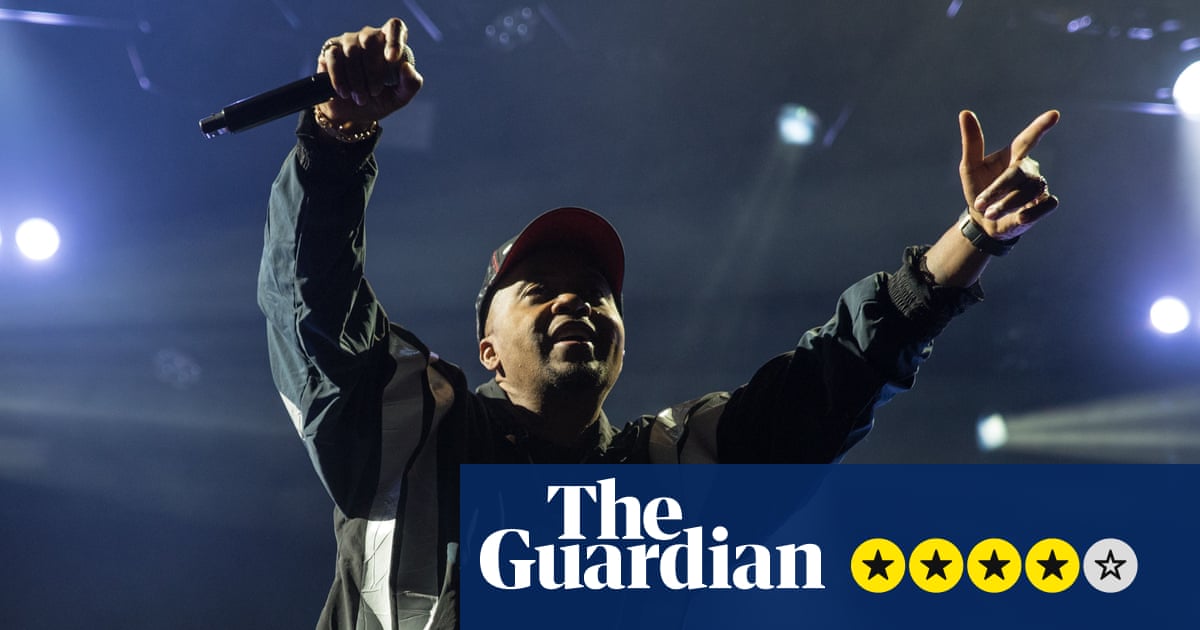
Born in Lambeth, south London, in 1988, Mo Gilligan is a comedian and presenter. His online sketches went viral in 2017, which led to his debut tour, Coupla Cans, and the start of his TV career, co-hosting The Big Narstie Show and presenting The Lateish Show. The winner of two Baftas, Gilligan has released three standup specials, most recently In the Moment. His new documentary, Big Chicken: A Fast Food Conspiracy, is available on Netflix now.
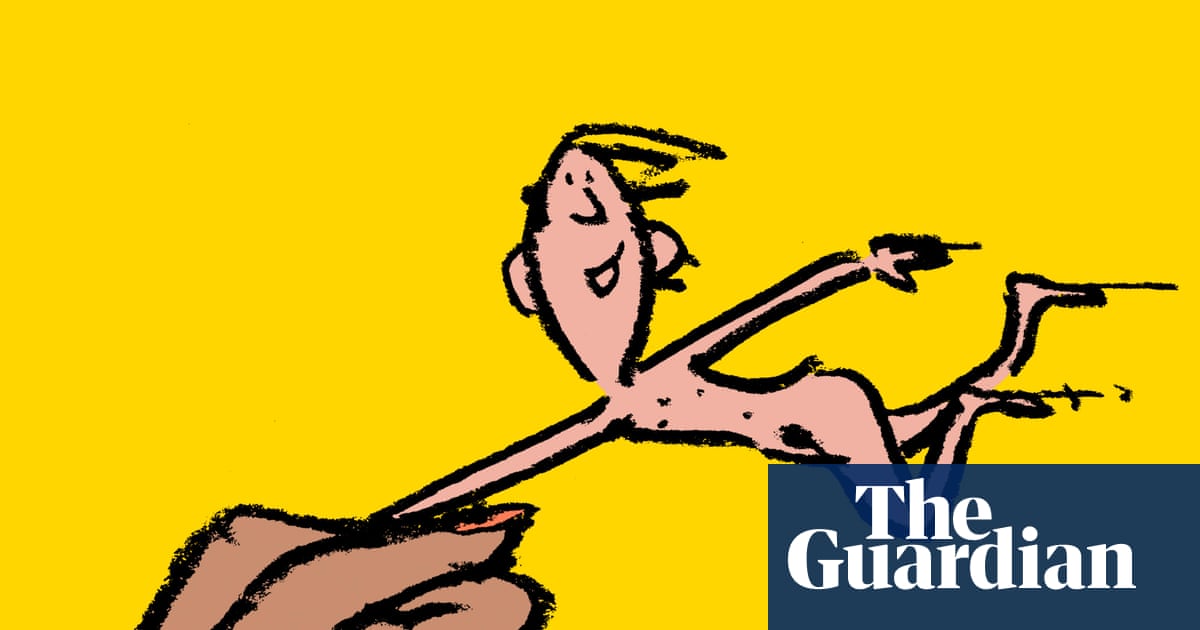
This was my go-to pose as a kid. The expression is a combination of me being a bit cheeky, my mum telling me I shouldn’t smile with my teeth out, and someone else telling me that I had a nice smile when I did that grin. It was a safe bet, and I would bring it out for every school photo.
I grew up on a council estate near East Dulwich, in south-east London. My childhood was spent with my friends and sisters outside – playing football and cricket and climbing trees or garage roofs until someone told us to get down or come inside. It was a multigenerational place to live, and everyone looked out for each other. I was in awe of anyone who was on TV to the extent that if I ever saw a famous person on the street I would ask them for an autograph. Kriss Akabusi opened our Happy Shopper and I got him to sign my jumper. Once I saw a guy who was on The Bill in Sainsbury’s. I wouldn’t stop talking about it in school the next day.
My aunts and uncles were funny people who were always taking the mick. If you wore something weird, you would definitely get called out for it. But it wasn’t until I became a teenager that I realised the real value in making people laugh. I was never the kid who could draw well, or know what 105 multiplied by 52 was – instead my currency was being silly.
Without realising it, I was developing my style of standup at the back of the bus. I was a big fan of Eddie Murphy and Jim Carrey, and my friends would tell me I was good at doing impressions. Accents, too. I learned how to do a Scottish accent when I was quite young because of watching Trevor in EastEnders. As a young black boy on a council estate, my Australian accent would wow some of the older kids, too. “How’d you do that, bro? You can speak Australian – that’s crazy, man.” Once I realised I could make people on the bus laugh who weren’t even at school – just random passengers, who were smirking when I was doing stupid stuff for my mates – I realised I might be on to something.
I am dyslexic, and at school I wasn’t the most academic. Thankfully, I had some very supportive drama teachers who unlocked something in me. I didn’t realise it at the time, but they were teaching me improv techniques, how to think on my feet. Because of them, I ended up studying performing arts and theatre production at Middlesex University, but I didn’t apply myself and I wasn’t sure what to do after I graduated.
A lot of people who study drama might get their first foot on the ladder by working front of house in theatres. I had no idea how I would get into that kind of space, so I went to the jobcentre instead. I told them I wanted to work with young people, and they replied: “How about Asda?” After that, I went into retail. It wasn’t my dream career, but I realised I could practise some of my acting skills while also making money, by creating a caricature of myself. My first job was at Jo Malone, selling luxury fragrances and body creams and candles to posh people. Customers would come in and ask what different scents were and I would switch into a new mode: “Ah yes, this is Lime Basil Mandarin. Would you like to try? You don’t want to apply it to the wrist as it crushes the scent.”
Whatever job I was doing, I could shape shift into someone new. It was intensive, as I really did try out every retail job: Thomas Pink, Apple, Levi’s. If a chain had already closed I would put it on my CV just to look more experienced. Dixons? Toys R Us? You name it, I worked there. Or pretended to.
When I wasn’t getting people to buy stuff, I was building up my standup career. I ran a comedy night at a hotel, and hosted a show every Sunday called The Sunday Show, which was full of up-and-coming creative people – Ed Sheeran would get on stage and play a song, and Cynthia Erivo would do poetry. I was also doing standup at African-Caribbean nights in university towns. I would visit somewhere like Bradford and perform for a crowd of black kids who were a long way from home. I was something familiar to them in an unfamiliar place.
after newsletter promotion
At the same time, my online videos were growing an audience. I would do impressions and characters and post them on Snapchat, then Instagram. My first proper viral moment was a video about different types of MCs – the MC who misses a drop, the MC who’s from up north, the MC who’s got an American twang, the cockney MC. It was a one-minute compilation that got shared on Link Up TV, GRM Daily and other meme pages. Then Drake shared something of mine, and Ian Wright liked a post. It was getting harder to juggle new opportunities that were coming in, like radio work, as well as selling 501s, so in the end I quit retail. A month later, I got asked to go to LA for the BET awards. I was staying in a hotel for free, on an all-expenses-paid trip, and standing in the same room as Bruno Mars and Mary J Blige. All I had to do was post something on my socials.
Standup was still the thing I wanted to pursue the most. I met with a promoter and told them I was ready to do a tour, but they were hesitant as they said working with social media people was sometimes hit and miss. Because of the experience I had on stage, they gave me a chance. When the London tickets were released, it sold out in three minutes.
When I got nominated for my first Bafta for The Lateish Show With Mo Gilligan, I didn’t think I would win. I was up against Frankie Boyle, Lee Mack and Graham Norton, and I had just started my TV career. As it was lockdown, it was happening virtually, so I was in my house and wearing shorts. I decided to put a shirt on, too, just in case the camera panned to me. Then I won. The feeling was strange – all these people falling silent and listening to me. I didn’t want to act like a rock star and give some flippant speech, and I didn’t want to be too sentimental, either. But as those words are immortalised I wanted to say something I cared about.
As much as the award was for me, it was really for all of the people out there who looked like me, sounded like me and came from the same kind of places that I grew up. Those big ambitions of being on stage, hosting TV shows, winning awards – none of it feels achievable when you haven’t got the right kind of access or connections. But it can be done. You don’t have to be the kid getting your jumper signed outside the Happy Shopper. You can be the one signing it.