 7 hours ago
15
7 hours ago
15
Solomon Islands parliament on Friday elected opposition leader Matthew Wale as prime minister, after incumbent Jeremiah Manele was ousted from power last week in a no-confidence vote, ushering in a change that analysts say will be closely watched by Australia and the US.
Wale defeated Peter Shanel Agovaka by 26 votes to 22 in a ballot of the country’s members of parliament, governor general David Tiva Kapu, told a news conference.
Wale’s victory is a pivotal moment for Australia within its traditional sphere of influence, said International relations scholar Alexander L Vuving of the Daniel K. Inouye Asia-Pacific Center for Security Studies.
The leadership contest was widely seen as a choice between continuing close ties with Beijing or a rebalancing relations toward Australia and western allies.
Wale has long advocated a more cautious approach toward China and as prime minister is likely to move the country further from aspects of its close security relationship with Beijing while strengthening ties with Australia and the United States, said Vuving.
“For the people of Solomon Islands, the key questions are economic and political within the country,” Vuving said.
“But for the wider Indo-Pacific, the most significant question is the future orientation of the next government concerning major powers, particularly China, Australia, and the United States.”
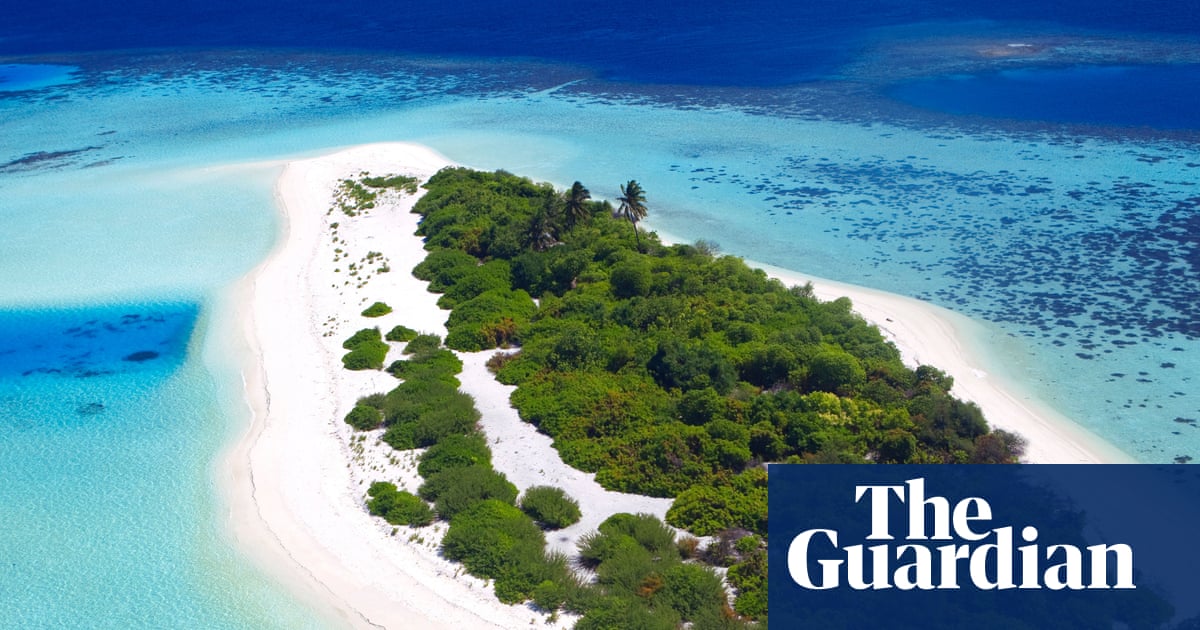
Located 1,600km (1,000 miles) northeast of Australia, Solomon Islands is considered strategically significant to Australia because of its proximity, its central location in the South Pacific, and its long history of security cooperation with Canberra.
The country also sits near major undersea cable routes that carry most of the world’s internet traffic, with the security of that digital infrastructure of key importance.
In 2022,Solomon Islands signed a security pact with China that prompted concern from the United States and South Pacific neighbours. Wale was highly critical of the deal, saying it would affect regional security and could jeopardise relationships with existing partners.
In 2023, he criticised then prime minister Manasseh Sogavare, who struck the deal with China, saying he was “back home” upon arriving in Beijing on a visit that year.
But in 2025, Wale’s tone softened. Leading a delegation to Beijing, he praised China’s economic development and said his party supported the one-China principle, according to a readout of the visit provided by the Communist party of China.
Opposition leader since 2019, when Solomons switched ties from Taiwan to China, Wale has campaigned for greater government transparency in dealings with foreign mining and logging businesses.
A former accountant, he hails from Malaita, the most populous province whose local government boycotted Chinese companies until 2023.
After his election on Friday, Wale said he was taking government “at a difficult time, given what is happening throughout the world”.
“We are not immune from the impacts of these geopolitical events,” he said.
Wale’s election was “a seismic shift” in Solomons politics, said associate professor at the Australian National University, Anouk Ride.
He was likely to be “more moderate” on China ties, and focused on the national interest, education, policing and health, she told AFP.
Australia prime minister Anthony Albanese congratulated Wale on his appointment on X. “I look forward to working together to continue strengthening our economic, development and security partnership,” Albanese said.
With Reuters and Agence France-Presse