 4 hours ago
13
4 hours ago
13
Key events
We’re going to stop there but thank you for all the considered questions and your interest in the 100 best novels project. If you’re looking for inspiration beyond that on what to read next, tomorrow morning we’ll launch our annual summer reads special.
Thank you!
Liese and David
19th century or now? When was the golden age of the novel?
Ghughz asks: Is there a ‘golden age’ or ‘best’ decade of books?
Liese: I don’t think it’s controversial to say that for novels there was a golden age from the late 18th to the 19th century – a fact that’s reflected in our top 100 list which features a lot of Dickens and Austen … but then the 20th century – from James Joyce to Toni Morrison and Gabriel Garcia Marquez - wasn’t bad either. And what about the works of Hilary Mantel, Kazuo Ishiguro and Marylinne Robinson in this century? Impossible to choose. It’s all golden!
What are the future classics?
Gavernism asks: I was genuinely glad that top 100 reflected a little bit more of the last 50 years. I remember seeing similar lists a decade ago that only reflected 19th century literature. I cannot help but feel this list will have quite a few additions during the next decade because of the period we are living in. I look forward to the novels – in whatever genre – that will reflect how our feelings have changed since the Covid pandemic, the rise of Trump and the growing chorus warning the approach of war.
Liese: Yes I’d say that the top of the list was still maybe a little more canonical than I expected but that it was refreshing to have Half a Yellow Sun by Chimamanda Ngozi Adichie, My Brilliant Friend by Elena Ferrante and The Vegetarian by Han Kang. There are many brilliant contemporary novels responding to the climate emergency that I would hope make a future list.
Is reading books doomed in an age of screen addiction?
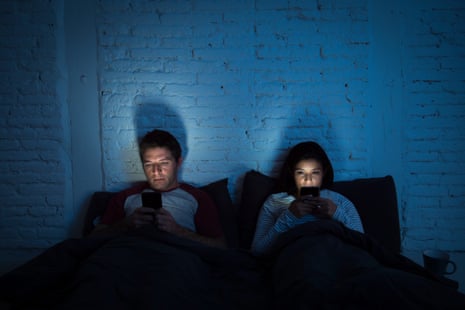
mesm asks: Is there any way to help younger people back into reading and away from their phones? I’m 40 and I was an avid reader but I was addicted to my phone and didnt really read for about 10 years. I’m coming out of it now (although here I am) and I feel like an alcoholic in recovery. If it was so hard for me, an ex-readaholic, how difficult will literature be for the digital natives?
David: This is a big worry. I think there are a couple of issues here: one is that time spent on phones is a massive opportunity cost – not just for reading, but for all sorts of things. Simply put, if you’re on your phone scrolling, you’re not socialising/making something/going for a walk/reading a book. Then there’s the after-effects of that time spent on your phone – your capacity for sustained attention is going to be shot, especially if you’ve mainly been consuming short-form, high-intensity video clips. This is why the discussions about limiting young people’s access to phones and social media are of huge interest to people who care about reading.
In the UK there’s now going to be a statutory ban on phones in school, and there’s talk of a social media ban for under 16s. Those might help. But smartphones are clearly having huge effects on our behaviour in ways that make it hard to predict what the longer term consequences will be. Glimmers of hope? Audiobooks make “reading” easy and accessible on devices; social platforms can make communities of readers more likely to find each other and can result in huge bursts of enthusiasm (see: BookTok). But of course you have to acquire the habit in the first place.
Were any books banned?
Pickaxe asks: I thought that it was a pretty intelligent list. And I was especially pleased to see that major authors weren’t excluded because some of their views or writing offend some modern sensibilities. Were there any books that the panel considered WERE beyond the pale and so were excluded?
Liese: No novels or writers were excluded from the list – what you see is what our critics, authors and academics voted for - although I imagine that such considerations may have influenced some of their choices.
What makes us want to finish a book?
Jerry 26 asks: The best books tick all the boxes. If there are noted weaknesses in setting, characters, dialogue, plot, and the author hasn’t addressed it after 100-150 pages, I’m done. UNLESS there’s an unusual plot with subtle foreshadowing! What is it that makes us want to finish a story?
Liese: For me it’s a compelling narrative, engaging characters and fantastic writing (so not asking much) but that can come in any form. I love a page-turning thriller (and would never read the end first as novelist and Celebrity Traitor Harriet Tice revealed that she does at Hay festival) but I can be equally riveted by a dreamy, immersive novel like Marilynne Robinson’s Housekeeping which cast such a hypnotic spell I never wanted it to end.
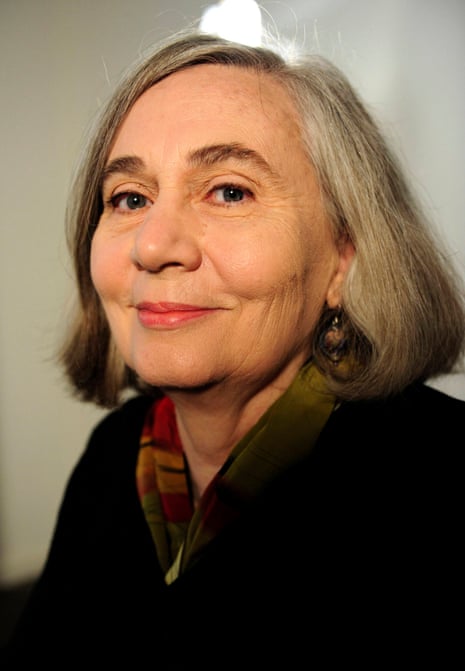
Too much Austen not enough Conrad?
PurpleCanary asks: This will make me sound like an angry man but four or was it five Jane Austen books? A talented but limited writer who didn’t venture beyond a certain familiar milieu. By contrast only one Conrad – no Nostromo, for example – and not one Patrick White? The Tree of Man, for starters.
Liese: As someone who put Jane Austen’s Emma as their no.1 book I’d have to disagree with you about Austen, and celebrate the genius of her “two inches of ivory”. The top 100 reflects the choices of our voters but also inevitably the fashions now - so no Patrick White but no William Golding or Iris Murdoch either …
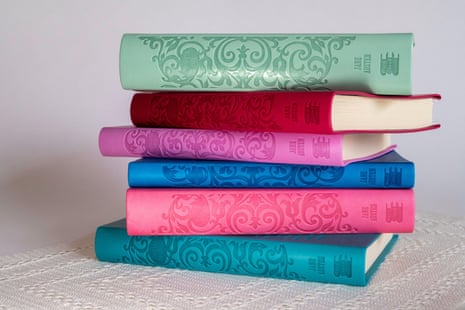
Terry Pratchett was missing. How about a list of top authors?
Alex42 asks: Would you ever do a favourite authors list, as opposed to favourite books? Terry Pratchett was noticeable by his absence from both lists, but this could be because he doesn’t have a book that’s agreed by general consensus to be his best. Therefore the vote was probably split. This would apply to many other authors too, so it would be interesting to see how the list would work out.
Liese: I agree that if it had been favourite authors it would probably have produced a different list (which might have included Stephen King, Douglas Adams and Martin Amis as well as Terry Pratchett). Though we did have multiple entries for Virginia Woolf, Jane Austen and Charles Dickens. I’m not sure we’d do a separate list, but do check out our Where to Start With … and Ranked! columns for more focused takes on the works of individual authors.
What about female writers and global south?
Jotierney asks: Anything that gets people talking about and discovering new books is great but I felt a standard best 100 list misses out on how the world of literature is evolving. I would love to see you do a companion list which would help people discover less well known but equally influential and important authors, and highlight the contributions of more female writers and those from beyond the global north. While I love many of the books on the list and see them all as important, it felt stale, predictable and does not represent the current state of literature. Would you consider an alternative 100 list?
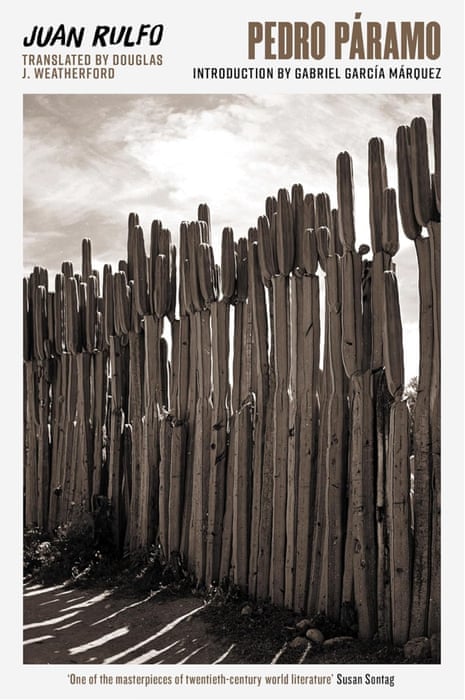
Liese: I think a list of the greatest novels of all time is probably always going to be canon-heavy. Having said that there were some in our top 100 such as Pedro Paramo and The Known World that I didn’t know and am really looking forward to discovering. Others such as Ragtime and The Left Hand of Darkness I was reminded to put to the top of my reading pile … And watch this space for some alternative lists.
Would 'favourite' or 'greatest' have created a different top 100?
Escoppycoppy asks: What was the actual question you asked the contributors? Did you ask for “best” novels, “greatest”, “favourite”? The wording would influence the choices eg “greatest” primes people to think of big, ambitious books, ‘best’ less so. “Favourite” would be very different- more personal choices, possibly children’s books. I think “favourite” would have produced a very different final list. Might even be a good follow-up?
David: The wording said we were looking for the “best novels of all time published in English”, asking for contributors for the “top 10”. It was interesting to see how different people responded to that and I’m not sure if anyone set their own favourites entirely to one side – a completely dispassionate assessment is probably impossible and not really the point. A lot of the comments we received, which are really interesting and you can explore by clicking on the individual voters on the novel list, suggest that it was a combination of critical merit and personal significance.
Benjamin Myers, for example, said “I have chosen 10 titles that I feel have advanced what it is the novel can – and should – do, while also taking into consideration the influence each has had on my own reading enjoyment and writing career”.
Tom Crewe’s guiding rule “was to choose the books that have left the strongest impression in my memory”. I agree, if we’d gone simply for “favourites” that would probably have produced a different kind of list – with each top 10 almost being like a fingerprint or mini-biography of the contributor
Do books read in our youth hit hardest?
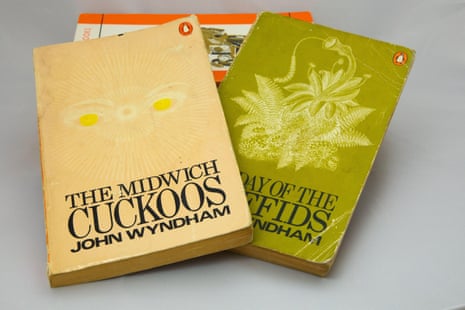
BuddSchulberg asks: I wonder whether the greatest books one has read are those that are read when at an impressionable age? For indeed Alice in Wonderland, Dune, The Day of the Triffids etc are typically books one reads (and rereads over and over again) at a young age. Precisely because they are so immensely readable. On the other hand, does this also mean that we should include the likes of Alistair MacClean and Desmond Bagley – which I devoured in my youth? Or should we draw the line somewhere?
Liese: I think many voters – including this one! - chose many books that they read at an impressionable age, because those are the ones that hit the hardest (also possibly the ones that you study at school ending up staying with you). When you’re reading as a young adult novels can really be life-changing. I was struck by a comment from a reader who voted for George Orwell’s Animal Farm on our Readers’ top 100: “Reading this as a teen was my entry-level book to socialism. It opened my eyes to injustice, oppression and abuse of power. My parents always blamed my ‘communist’ English teachers for introducing me to Orwell!”
What are the future classics?
Dworth asks: Surprised The Count of Monte Cristo didn’t make the list – was it mentioned by anyone? Also thought David Copperfield would have been higher. It’s a phenomenal book. Any thoughts on why not?
In 200 years’ time would such a list look similar or would it be full of modern books future generations consider classics and the books we consider classics are just too old to be relatable or will it always been the same old classics with a few modern books for a small bit of balance?
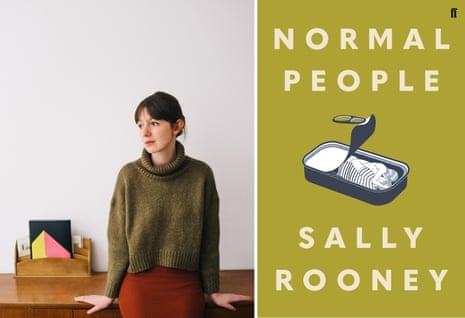
Liese: I’d hope that in 200 years’ time there would be some exciting new classics on such a list (I put Normal People by Sally Rooney on to my list to inject a bit of modernity although it didn’t make the final cut.) Who knows which novels will ultimately stand the test of time? It was interesting on our top 100 novels to see which modern classics had already fallen out of fashion - no American Pastoral by Philip Roth, no Money by Martin Amis, no To Kill a Mockingbird by Harper Lee which I’d argue would have been unthinkable even 20 years ago!
Are audiobooks cheating?
ZodKneelsFirst asks: Does “listened to an unabridged audiobook” count as “read”? I would say it does – but there are probably a few books where it doesn’t. I’m thinking of ones written in a heightened style, where the language itself is meticulously constructed and demands careful parsing.
David: Ha! This is a good question. As a keen audiobook listener, I would have to agree with you. But you’re right that not every book lends itself to the audio treatment. I’m not sure about the meticulously constructed aspect – I think things can fall apart a bit when there’s a lot of formal experimentation in the novel. I once tried Lincoln in the Bardo on audiobook and the multiple voices made it very confusing – even though they were performed by a cast of actors. I find traditional novels much easier to follow as they tend to proceed in a fairly conventional manner, with the scenes carefully set, dialogue easy to follow etc. So I find it’s a good way to consume classics.
Why so much Virginia Woolf while Catch-22 so low?
Namdam asks: Four Virginia Woolf novels in the top hundred of all time defies some belief. There are 98 novels better than Catch-22? I dispute that. I personally don’t think there are any. It caught me as a teenager and supplied a lifetime of pleasure from reading. I am surely not alone. I guess the greatest story ever told doesn’t qualify as a novel. Fair enough. So no Iliad. Or Odyssey.
Speaking of adventures that take forever (although not quite 10 years): War and Peace, Anna Karenina, À la recherchu and Ulysses all in the top seven? I guess there is no requirement to be choate … but I feel therefore that this is signifying the achievement rather than enjoyment.
Liese: You’re in good company loving Catch-22 which was voted one of the top 100 novels of all time by our fiction editor Justine Jordan. Interestingly it was catapulted up the list by readers who put it at (joint) number 8 on their top 100 … and yes the Iliad and the Odyssey didn’t qualify as they’re epic poems.
I voted for Mrs Dalloway but was also surprised by Woolf’s strong showing – but that’s how the votes fell! There are definitely some challenging reads in the top 10 but I think many of the critics and authors who voted for them would argue that as well as reflecting some dazzling literary achievements they are also books that reward the (quite significant) work of reading … Something readers seem to agree with as Ulysses and Anna Karenina also placed pretty highly in the readers’ top 100, just outside the top 10. At our Guardian Live event novelist Guy Gunaratne said that having struggled to take it on solo he really enjoyed reading Ulysses as part of an online group. I think there are a few places that do read-alongs around Boomsday, but he recommends the Friends of Shakespeare and co. podcast.
What first reads led you to a lifelong love of literature?
Sevensisters asks: What were your first books as a very, very young reader that drew you to a lifelong love of reading? I have to say here it was Enid Blyton.
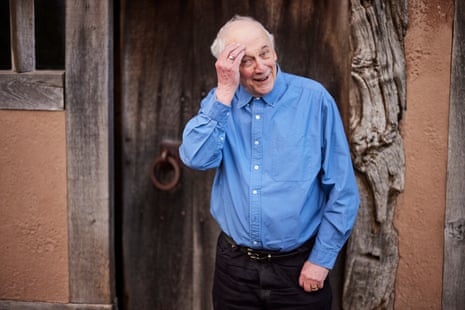
David: So many to choose from! Green Smoke by Rosemary Manning was an early one, with its magic spells and the idea of the enchanted version of reality that only the child protagonist has access to. A little later on Alan Garner’s The Weirdstone of Brisingamen and Ursula K Le Guin’s Earthsea trilogy introduced me to the darker elements of storytelling. I also remember being a bit obsessed by Leon Garfield’s historical fiction for children, including The Pleasure Garden and The Sound of Coaches. But probably the strongest very early influences were the Moomin books, particularly Comet in Moominland which my mum read to me at bedtime. That was probably the first time I remember being desperate to know what happened next – a very basic lesson in the power of narrative.
Should we take re-readability into account?
MomDoc asks: I would like to see a division of the best 100 novels that you would read and read again. Versus the best 100 novels that you would read and know immediately that you would never want to read again because it was a little bit traumatising to read them?
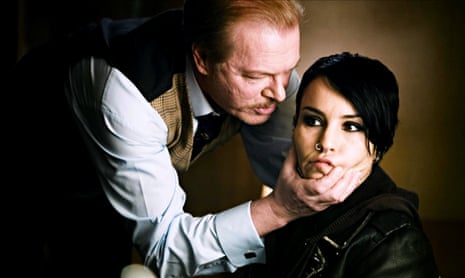
David: It’s interesting to think about what makes a book re-readable – and what kind of book you feel glad to have read but aren’t drawn back to again and again. You mention being traumatised, and it could certainly be that, but some books are more admirable than they are magnetic. I don’t think I’d re-read Madame Bovary, for example. Anyway, there are lots of reasons, and in our Books of my life Q&A each week, authors share the books they return to, as well as the book they’d never read again. Virginia Evans, who just won the Women’s prize for fiction for her novel The Correspondent, recently told us she couldn’t go back to the Millennium series by Stieg Larsson because it was so disturbing!
Where are all the children's books?
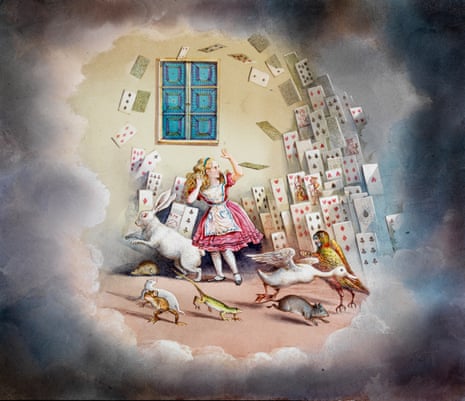
Matthewrosedon asks: While it was not quite the usual suspects, when is children’s and genre fiction going to be taken seriously? Where were the Alice books, Wind in the Willows? Aren’t these great works of fiction? Where’s The War of the Worlds or The Time Machine? No Dune or Day of the Triffids. No Chandler or Hammett. No Asimov or Arthur C Clarke. If one of the purposes of such a list is to encourage reading then it helps if more of the books are actually readable.
Liese: I think there are many children’s books that are great works of fiction and some of our voters did select them in their top 10s. Novelist Katherine Rundell, for example, put Alice’s Adventures in Wonderland at number six on her list while regretting that she did not have space for Northern Lights by Philip Pullman, The Wizard of Earthsea and Pippi Longstocking. But when the votes were tallied up they did not get enough to make the final top 100.
As for genre, it was interesting to see a few more in our readers’ top 100 with Dune making the cut along with Stephen King’s The Stand. Ultimately it’s subjective as to what makes a novel one of the “greatest of all time”. I put Riddley Walker by Russell Hoban on my list which is a brilliant SF novel – partly because I loved his book The Mouse and His Child as a kid – but that too failed to make the final list!
Photograph: National Media Museum/SSPL/Getty
Why isn't my favourite book on the list?
Greencorn asks: Why is Céline’s Journey to the End of the Night not on there?
Liese: Not enough votes!
Welcome to the Conversation
Hello and welcome to the latest Guardian Conversation, a new series of Q&As with our journalists. At 12pm BST we will be joined by Liese Spencer and David Shariatmadari who are ready to take your questions about all things bookish, including our huge recent project to rank the 100 greatest novels of all time – and last weekend’s corresponding list of readers’ favourites.
The books team have also been working hard to prepare their annual list of top reads for the (northern hemisphere) summer which is published tomorrow. (David is also the inventor of the Guardian’s Wordiply game should you wish to ask him about that).
Comments are open now (please sign up for a Guardian account below to join in) and, in the meantime, here’s some of the best of the 100 novels project.