1 month ago
59
1 month ago
59
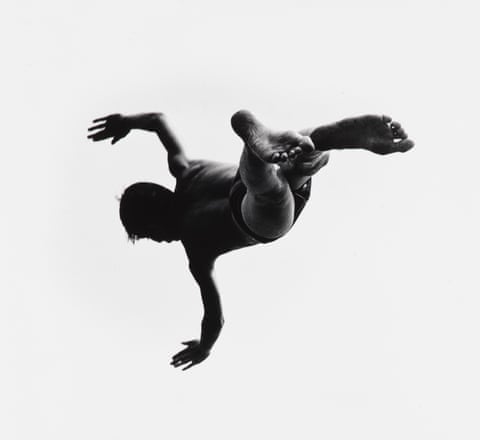
As photography became mainstream in the mid-20th century, a group of Princeton teachers helped solidify art photography as a movement. The work and lives of Minor White, Aaron Siskind, Harry Callahan and other photographers is celebrated in a new exhibition. Photography as a Way of Life is on display at the Princeton University Art Museum until 7 September
Aaron Siskind, Pleasures and Terrors of Levitation 37, 1953. Photograph: Joseph Hu/Gift of Robert A.Wayne, Aaron Siskind/Virginia Museum of Fine Arts.Wed 6 May 2026 13.00 CESTLast modified on Wed 6 May 2026 15.36 CEST
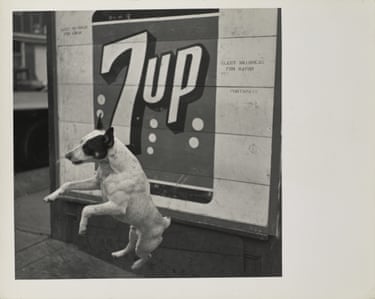
Minor White, San Francisco, 16 July 1949
White, Siskind and Callahan transformed the ways in which photography was seen in the world from the 1940s to the 1970sPhotograph: The Minor White Archive, Trustees of Princeton University.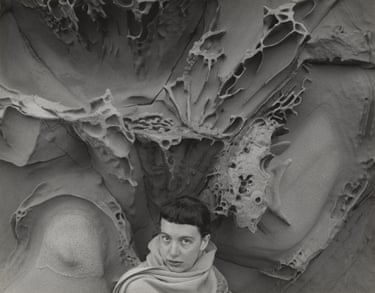
Jan Davis, Vicinity of Pescadero, California, 30 June 1951
The images on view explore the effect they and other image makers have had on the field of photography and on higher educationPhotograph: The Minor White Archive, Trustees of Princeton University.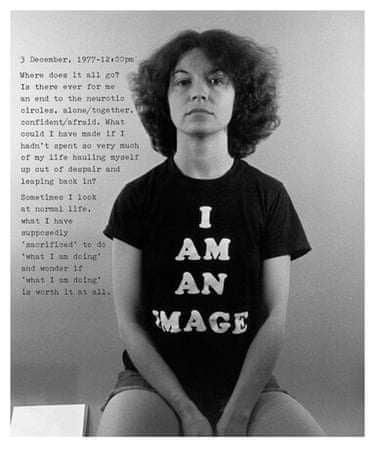
Donna-Lee Phillips, Fragments from a Visual Journal, 1977
Donna-Lee Phillips’s works marry text and images to examine how we perceive ourselves. Her work has been exhibited widely at museums such as MoMA, the San Francisco Museum of Modern Art, the Museum of Contemporary Art and many morePhotograph: Black Dog Collection.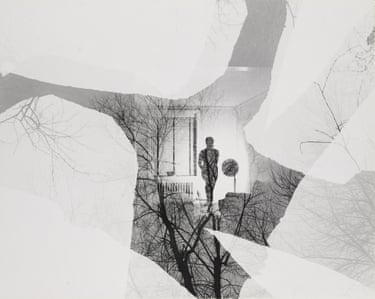
Harry Callahan, Eleanor, Chicago, 1952
A native of Detroit, Callahan began his career working at Chrysler after studying engineering at Michigan State University. In 1938, he took up photography as a hobby and later became a photographer for General Motors Photographic Laboratories. He would go on to receive many awards for his work such as the Guggenheim Fellowship and ICP’s Master of Photography Infinity AwardPhotograph: Gift of Jane Teller. The Estate of Harry Callahan, Courtesy Pace Gallery.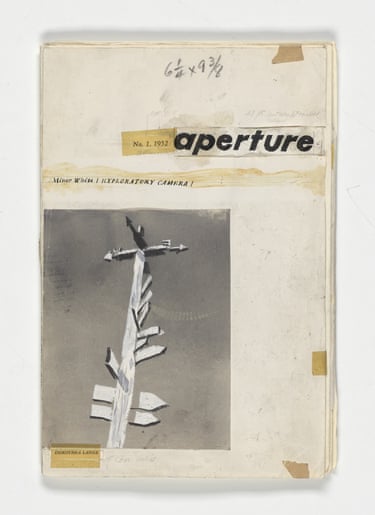
Minor White, Layout mock-up for the first issue of Aperture, 1952
Minor White founded and served as the editor of Aperture, a magazine founded in 1952 focused on photography and how it played a role in encouraging a more just society. White served as its editor for the magazine’s initial 23 years, helping to shape its identity. He was also a faculty member at the California School of Fine Arts, the Rochester Institute of Technology and the Massachusetts Institute of TechnologyPhotograph: Minor White Archive Fund Trustees of Princeton University.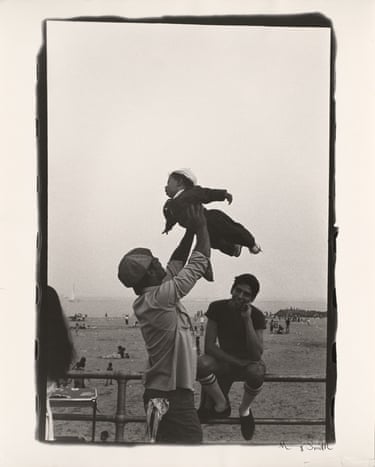
Ming Smith, Oopdeedoo, Brooklyn, New York, from the series Coney Island, 1976
Ming Smith was the first female African American photographer represented in the Museum of Modern Art’s collection and the first woman to be part of Kamoinge, a prestigious photo collective of Black photographers. Through her lens, she often depicted the African American experience, photographing daily life, culture and portraits of notable figures such as Nina Simone and Grace JonesPhotograph: Museum purchase, Fowler McCormick, Class of 1921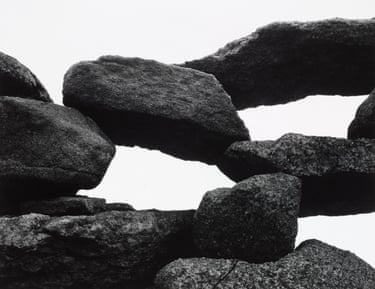
Aaron Siskind, Martha’s Vineyard Ill B, 1954
Aaron Siskind, a born-and-raised New Yorker, first took up photography after being gifted a camera on his honeymoon by his first of three wives. In addition to working as a photographer, Siskind was an English teacher in New York City public schools for 25 years, later teaching photography at the IIT Institute of Design in Chicago and also the Rhode Island School of Design. Siskind is known for photographing the details of larger subjects to create new images as part of the abstract expressionist movementPhotograph: Jeff Evans/Fowler McCormick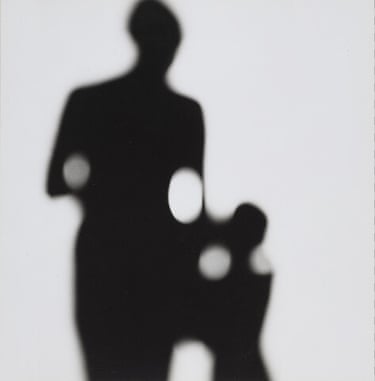
Harry Callahan, Eleanor and Barbara, Chicago, 1953
In pursuit of his mission to place the medium in higher education, Callahan joined the faculty of the New Bauhaus (later known as the Institute of Design) in 1946 and later became its chairman. He went on to pursue a career at Rhode Island School of Design, where he remained until 1973Photograph: Gift of Robert A Wayne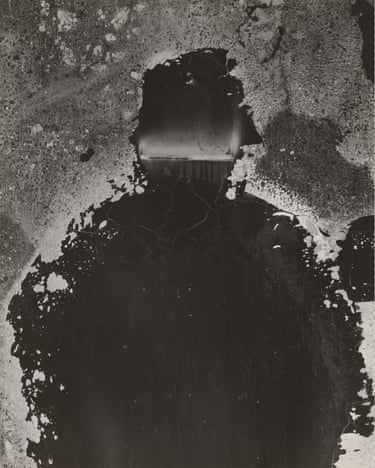
Walter Chappell, Burned Mirror Man, Denver, Colorado, 1956
Walter Chappell is among the photographers influenced by White’s teaching. Known for his black-and-white images of landscapes, the body, and natural forms, his photographs can be found in collections at the Museum of Modern Art, the International Museum of Photography at George Eastman House, the Library of Congress and more. Outside of photography, he lived an adventurous life building 25 darkrooms and three homesPhotograph: Bequest of Minor White. Walter Chappell Archive.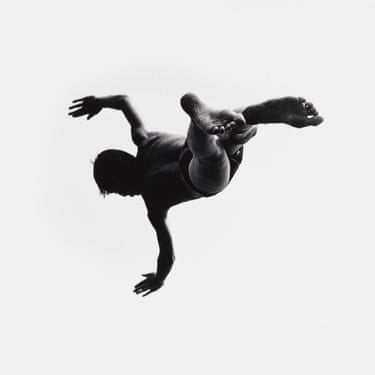
Aaron Siskind, Pleasures and Terrors of Levitation 37, 1953
Siskind founded the Photo League in New York, which notably published the photo book Harlem Document in 1981, which featured images documenting street and domestic life in HarlemPhotograph: Gift of Robert A Wayne. Aaron Siskind/Virginia Museum of Fine Arts.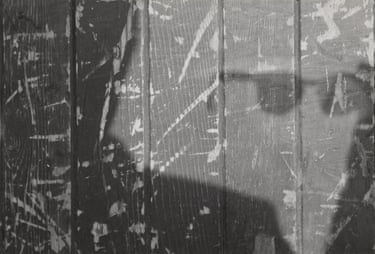
Nathan Lyons, Untitled, 1957
Lyons was also a mentee of White, taking many of his lessons to inspire his work as a photographer, curator and educator. He served as curator of photography and an associate director at the George Eastman House before taking the role of editor of Aperture magazine. Lyons enlisted in the air force, serving as a photographer in Korea and the United States. Later, prominent museums began collecting and featuring his images. As a professor he founded the Visual Studies Workshop, a non-profit dedicated to arts educationPhotograph: The Minor White Archive, Nathan Lyons.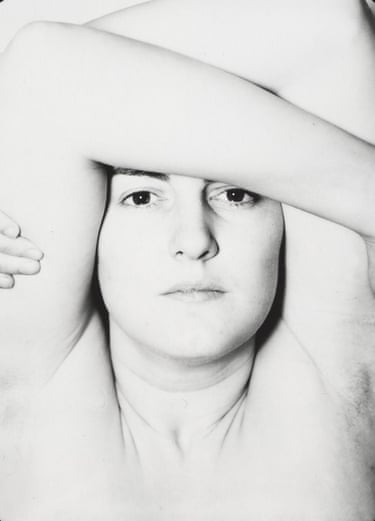
Harry Callahan, Eleanor, circa 1947
Though Siskind and Callahan were not on personal terms with White, their works were often shaped by his editorial vision for Aperture. Photography as a Way of Life examines how their achievements in the field intertwined.Photograph: The Peter C Bunnell Collection, gift of Eleanor Callahan, Estate of Harry Callahan. Courtesy of Pace Gallery.Explore more on these topics