 2 months ago
65
2 months ago
65
It is hard to imagine a stranger place for a large outdoor art festival than Bombay Beach – a tiny, visibly impoverished California desert town over 150 miles east of Los Angeles and 235ft below sea level. The heat is scorching even in March, and the smell of decay wafts over from the nearby Salton Sea; a dying inland lake created by an irrigation engineering disaster over 100 years ago.
But the Bombay Beach Biennale is not your ordinary art festival.
Instead, the Biennale is both a product of this bizarre, once-forgotten setting and a response to it. Conceived as part counter-culture arts and philosophy movement, part cultural, civic and environmental revitalization effort, the Biennale prides itself on its outsider status and its ties to the 231 permanent residents of Bombay Beach.
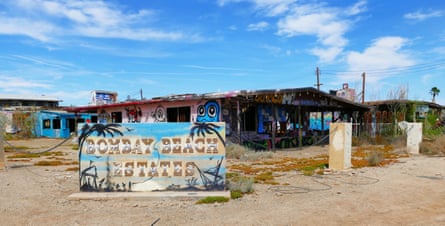
The Biennale started a decade ago as a small, intimate event with around a hundred people, and has grown dramatically since. This year the festival celebrated its 10th anniversary, attracting the participation of 150 artists and thousands of volunteers and festival-goers (exact numbers are difficult since there is no official attendance tracking).
The atmosphere is intentionally DIY, analog and bohemian. Since there are no hotels nearby, attendees must either camp or stay in campers or trailers. There is no merch or advertising; the goal is for the festival to be organically self-sustaining without visible outside commercial influences.
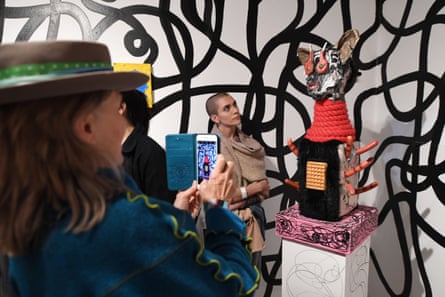
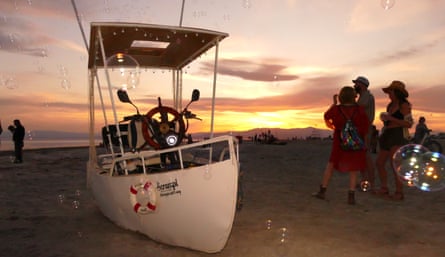
On the last Saturday night of the festival, flame tree sculptures – large metal contraptions that shoot flame in the air – and enormous neon cubes lit up the beach and neighboring art installations, while impromptu processions of tiny art cars and wildly costumed individuals paraded along the old berm that separates the town from the Salton Sea. Repurposed but still derelict-looking buildings housed a popular and packed jazz bar, a Turkish coffee house, and several dance clubs. For more sophisticated evening entertainment, hundreds of people enthusiastically attended open-air opera and avant-garde ballet performances.
However, change is afoot, amid questions about whether the Biennale has become a victim of its own success and has grown too large and unwieldy to be sustained in its current form. The organizers don’t want it to turn into another Coachella or Burning Man, and there are concerns that the partying of unwelcome guests at the Biennale may be getting out of control.
For example, on Friday night, a drunken visitor was speeding the wrong way down a one-way street with a passenger riding on the roof of the vehicle. The car crashed, and the woman was gravely injured and had to be flown to the nearest hospital an hour away. As a result, for the first time, the festival had to hire private security, at considerable expense.
The original 2016 Biennale was the brainchild of Tao Ruspoli, Lily Johnson White, and Stefan Ashkenazy, who have over the years supported and curated the growing festival but kept it true to its anti-establishment roots. The event is free, unticketed, and the dates are not published online to limit the crowd to the friends of the organizers and those who learn about it through word of mouth.
Ruspoli, a Los Angeles-based filmmaker and philosopher, was drawn to the complexity and contradictions of Bombay Beach and sees it as a microcosm for the stark challenges that America faces.
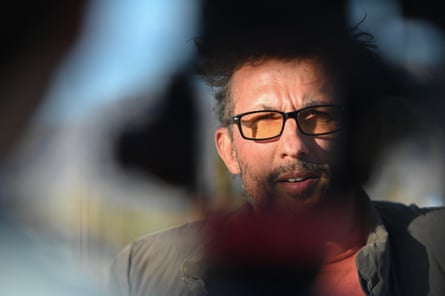
“In Bombay Beach everything that can go wrong in the world has gone wrong; that’s why people most describe it as apocalyptic or post-apocalyptic,” said Ruspoli. “You have climate change, environmental collapse, severe poverty, and contaminated water. The beauty of the apocalypse is that it exposes all the problems of our culture and then asks the question, what’s next? What do you do once the end has happened?”
In the pursuit of this existential question, each Biennale has a different somber philosophic theme with apocalyptic undertones. This year’s festival was “Year X: The Last Judgement”; previous festival themes have included “Art of Decay” and “God’s Silence.”
While philosophical symposiums on these issues are part of the daily schedule, the overall vibe is lighthearted and fun. Folks in bathing suits scoot through town on bikes and scooters, some on their way to escape the brutal desert sun by going to indoor art performances, film screenings or lounging in a giant above-ground livestock pond.
Despite the good vibes and the overall success of the festival, there was also a general feeling among the founders and organizers that change is needed to diminish overcrowding and limit negative impacts to the local residents and return to the more intimate, collaborative environment of earlier years.
Ruspoli mentioned that live cultural events like the ballet and opera are intended to bring much-needed arts and culture to the local residents who normally don’t have such access, but now due to overcrowding, locals are often boxed out.
“We’re evolving as a community,” said Dulcinee DeGuere, the Biennale’s systems architect and producer. “We love all of our guests, and we’re so happy they get to experience what we experience. But we’re just going to invite them to come throughout the season, instead of inviting everybody at the same time.”
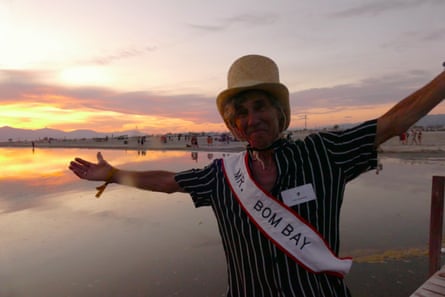
Regardless of what the future holds for the Bombay Beach Biennale, Ruspoli feels proud of what this unique, renegade arts and philosophy festival has been able to accomplish so far.
“I’m so amazed that this experiment caught on at all,” said Ruspoli. “I feel like we had a little kindling on a windy campsite and we didn’t know if it was going to actually take off. Miraculously, it did. I’m very grateful to the hundreds of people who have made this weird dream a reality.”