 4 hours ago
14
4 hours ago
14
The connection between King Lear and the 1966 World Cup is little known, mainly because it affected very few people at a now defunct boarding school. I had been a surprise selection to act in the school’s production of Lear (yes, I played the Fool; yes, I was typecast). The day before one of the performances I fell and twisted something and was a doubtful starter for a part that required a lot of dashing about.
Matron prescribed sleeping pills. That night England were playing Mexico in that now-sanctified tournament – almost a must-win after a goalless start against Uruguay. I went to bed early, tucked my transistor under the pillow to hear the commentary, went spark out and only heard the result next morning: England 2 Mexico 0. The rest is national history.
Also, the invalid recovered enough to get a rave review in the Wallingford Herald and embarked on the dream of theatrical stardom which, sadly, had to wait for another 30 years before I made the big time as a Teletubby in the village panto.
The point of the above burble is that the World Cup, more than any other sporting event, is not just global but personal. It invades the English summer like nothing else. Brides with weddings planned for ages suddenly find themselves competing with must-see matches. Pubs empty if they don’t have screens. Wimbledon grumpily finds itself playing second fiddle. Ditto Test matches.
People across the planet remember where they were for their own biggest matches and who was with them. Olympics, forget it. Unless it’s held down the road, it never takes over like The Big One.
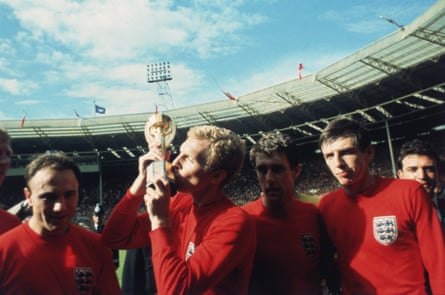
And surely every English teenager of that time remembers where they were on the Great Day: the Soviet linesman; Kenneth Wolstenholme: “It is now”; Bobby Moore’s smile. All in black and white. Imprinted in our memories like JFK’s murder and the moon landing. Even now, when we can’t remember where we put our specs, phone or car keys.
We might by now have a more nuanced view of that epic. The ineptitude of allowing the trophy to be stolen, which was followed by Joe Mears, the chair of the Football Association, trying to claim the reward for himself rather than the owner of Pickles, the dog who found it.
But my schoolboy innocence disappeared only when I read the work of the football writer Jonathan Wilson: Argentina and Brazil being given training grounds with no goalposts; the foreign press treated as muck; South Americans being picked on by European referees; Pelé being kicked (literally) out of the tournament. The voyage to Port Stanley had some of its roots at Wembley.
Ah, well. My family was never that football-crazy. But somehow the World Cup infiltrates itself everywhere. In 1970, my brother, Richard, arranged his wedding in a London hotel on the day England played Brazil in Guadalajara: the match when Gordon Banks made that save from Pelé. Barring fire alarms, no wedding party has ever dispersed so quickly. The bride and groom went upstairs to their room, but instead of the customary post-nuptial activity he insisted on watching the match. It still rankles a bit with my sister‑in-law. But they did have their 56th anniversary this week.
England skipped the next two World Cups, after Brian Clough described the Poland goalkeeper, Jan Tomaszewski, on TV as “a clown” at half-time in the crucial qualifying match for 1974. For clown, read genius. Next morning the Sun headline read “THE END OF THE WORLD”.
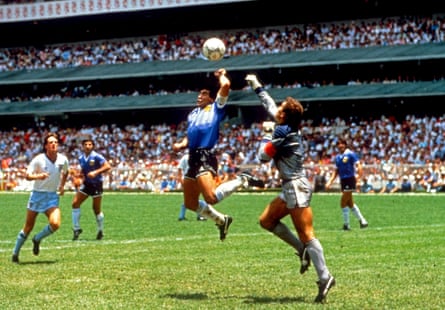
There followed the fatalistic years when English football – dull, grubby, violent fans – found itself challenged as the nation’s leading sport. When, in 1986, England had a sniff of success they were thwarted by Maradona and the Hand of God. By 1990, with three football tragedies fresh in the memory – the Bradford fire, the Heysel riot and the Hillsborough horror – with Mrs Thatcher trying to make it illegal to attend football without permission – England’s national game was at its nadir. Bobby Robson, the England manager, was being vilified in the pubs and the press in a manner that make Keir Starmer’s travails look like mere flesh wounds.
As in King Lear, I think I played something of a role here. The Guardian sent me to the World Cup in Italy, but gave me a break to cover Wimbledon, which suited me (and saved them money).
England were at first corralled on Sardinia to curtail the movement of their unwelcome supporters – Saint Helena might have been better. From the start, the journalists on the spot were talking about 1990 being the most boring World Cup of all. But stealthily England were worming their way through the ranks.
By the time they beat Belgium to reach the quarter-finals the nation was pricking up its ears. The next match was against the surprise package, Cameroon. I was due to fly back for the semis and final, but that night was watching quietly at home in north London. At half-time I put my dustbin out. A normally busy street was deserted, not a sound; everyone was watching.
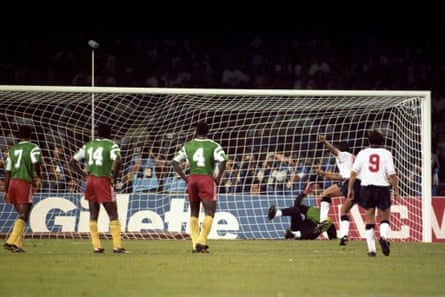
Gary Lineker won the game with a penalty. Afterwards, our genteel local was in raptures. When I flew to Milan for the fateful semi in Turin, I was greeted by the verdict formed by my colleagues: “Terrible, terrible tournament”. I had to tell them: “You don’t understand. Back home everyone’s crazy about it.” Modern communications had not yet permeated Fleet Street. Those on the spot hadn’t a clue.
England lost the Gazza’s-tears match and the final – Argentina beating Germany – was indeed complete shite. But that was the real turning point, of (later Sir) Bobby’s reputation and football regaining its status as the unchallenged national preoccupation.
Beware you June and July brides; your big occasion might not be as big as you think.