
-
The number of British troops in Norway will double as part of efforts to bolster defences in the high north against Russia. British defence secretary John Healey promised during a visit to Royal Marines at Camp Viking in the Norwegian Arctic, to increase the number of troops deployed to the country from 1,000 to 2,000 over three years. Healey said: “Demands on defence are rising, and Russia poses the greatest threat to Arctic and high north security that we have seen since the cold war. We see Putin rapidly re-establishing military presence in the region, including reopening old cold war bases.” The UK will also commit UK forces to Nato’s Arctic Sentry mission, the alliance’s initiative to improve security in the region to help address Donald Trump’s concerns over Greenland. The promises to bolster the defence of the Arctic came as British former head of the armed forces General Sir Nick Carter called for greater European cooperation to deter Russia and support Ukraine.
-
A Russian strike killed four people, including three small children, in a town west of Ukraine’s second-largest city of Kharkiv, the regional governor said early on Wednesday. Oleh Syniehubov, writing on Telegram, said the three children, all aged under two, died along with a 34-year-old man in the house where they were staying in the town of Bohodukhiv. A woman aged 74 was injured in the incident. Reuters could not independently verify the report.
-
Ukrainian President Volodymyr Zelenskyy assembled his top military officers on Tuesday to discuss shortcomings in air defence and other aspects of protecting civilians from attack. “Many changes are happening right now in the work of air defence. In some regions, the way teams operate, interceptors, mobile fire units, the entire small air defence component is being practically rebuilt completely,” Zelenskyy said in his nightly video address. “But this is only one element of defence that requires changes. Changes will happen.” Zelenskyy is also assessing how local authorities were ensuring high-rise apartments had power and heating after attacks. He again singled out for criticism officials in the capital Kyiv. The president has frequently pointed to improved air defences as critical to protecting cities from air attacks and has asked Kyiv’s western allies to provide more weaponry to knock out incoming missiles and drones.
-
Russia’s internet watchdog has announced it was restricting use of the Telegram messenger platform, as Moscow tries to push its citizens into using a more tightly controlled domestic online service. The Roskomnadzor agency said in a statement cited by state media that it will “continue to introduce phased restrictions” on Telegram, which it said had not complied with the law. The law requires data on Russian users to be stored inside the country, and for efforts to be made to stamp out their use for what Moscow calls “criminal and terrorist purposes”. Critics and rights campaigners say the restrictions are a transparent attempt by the Kremlin to ramp up control and surveillance, amid a sweeping crackdown on dissent during the Ukraine offensive. Amnesty International meanwhile branded the move “censorship and obstruction under the guise of protecting people’s rights and interests”. Some pro-war bloggers, who also use Telegram extensively, also criticised the decision, saying it would hobble communications around the frontline and in Russian-occupied territory.
-
South African President Cyril Ramaphosa held talks on Tuesday with Vladimir Putin about returning South Africans lured into fighting for Russian forces in Ukraine, his office said. The South African government said in November it had received “distress calls” from 17 men who were trapped in the epicentre of the fighting in Ukraine’s Donbas region after being tricked into joining mercenary forces. “President Ramaphosa and President Putin pledged their support to the process of returning South Africans fighting alongside Russian forces in Ukraine,” Ramaphosa’s office said in a statement.
-
EU foreign policy chief Kaja Kallas said she would propose a list of concessions that Europe should demand from Russia as part of a settlement to end the war in Ukraine. “Everybody around the table, including the Russians and the Americans, needs to understand that you need Europeans to agree [to have a peace deal],” Kallas told reporters in Brussels. “And for that, we also have conditions. And we should put the conditions not on Ukrainians, who have been already pressured a lot, but on the Russians.”
-
Ukrainian athletes have stepped up their defiance of International Olympic Committee rules banning them from protesting against the Russian invasion while in competition, amid growing anger over a decision to ban a “helmet of memory” for the country’s war dead. On Tuesday evening the skeleton racer Vladyslav Heraskevych revealed that he had continued to use the helmet, which shows athletes killed during the war, during his practice runs in Italy in defiance of Olympic organisers.
Ukraine war briefing: UK promises to double troop numbers in Norway to deter Putin
 2 hours ago
2
2 hours ago
2
Related











|

| |

|

| |

|

| |

|

|
|

|

|
Popular
A leaked memo, a Maga-style hat and a trail of broken pledge...
3 months ago
481
D’Angelo obituary
3 months ago
478
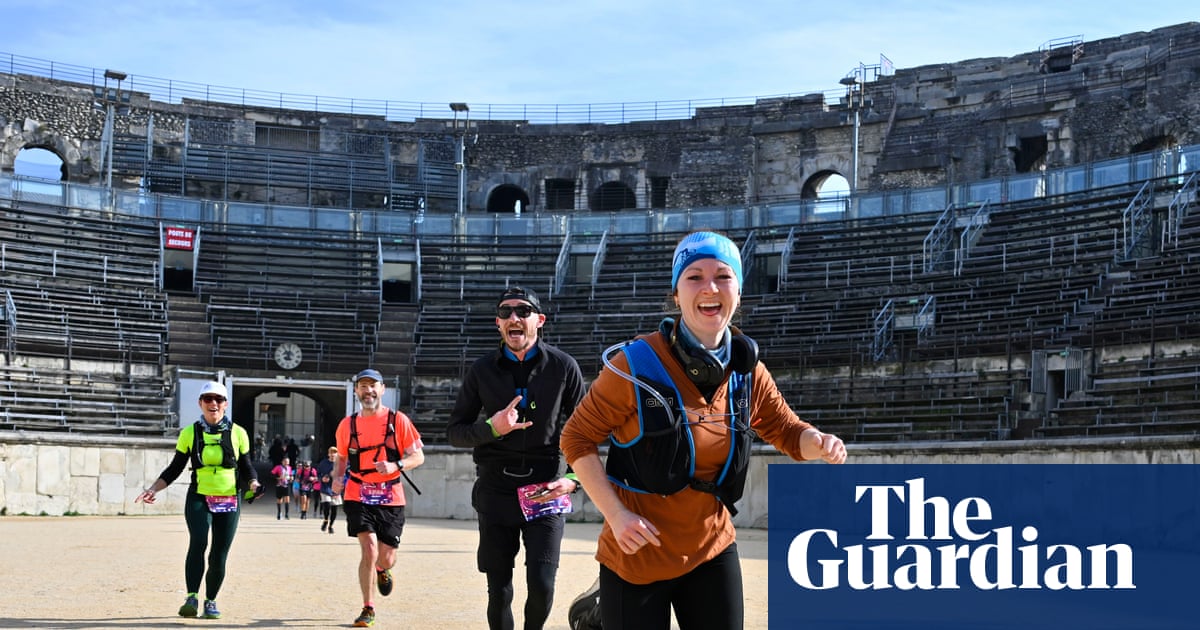
‘We burst into the arena feeling like warriors’: urban trail...
3 months ago
465
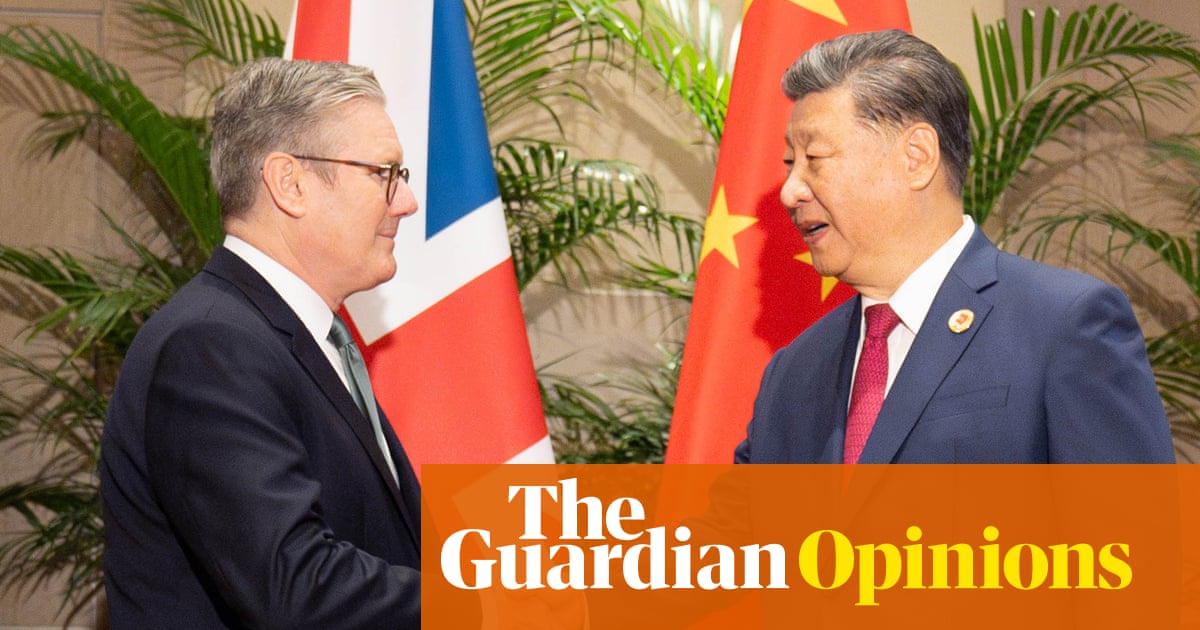
‘Did two Brits spy for China?’ is one question. ‘Can any UK ...
3 months ago
463
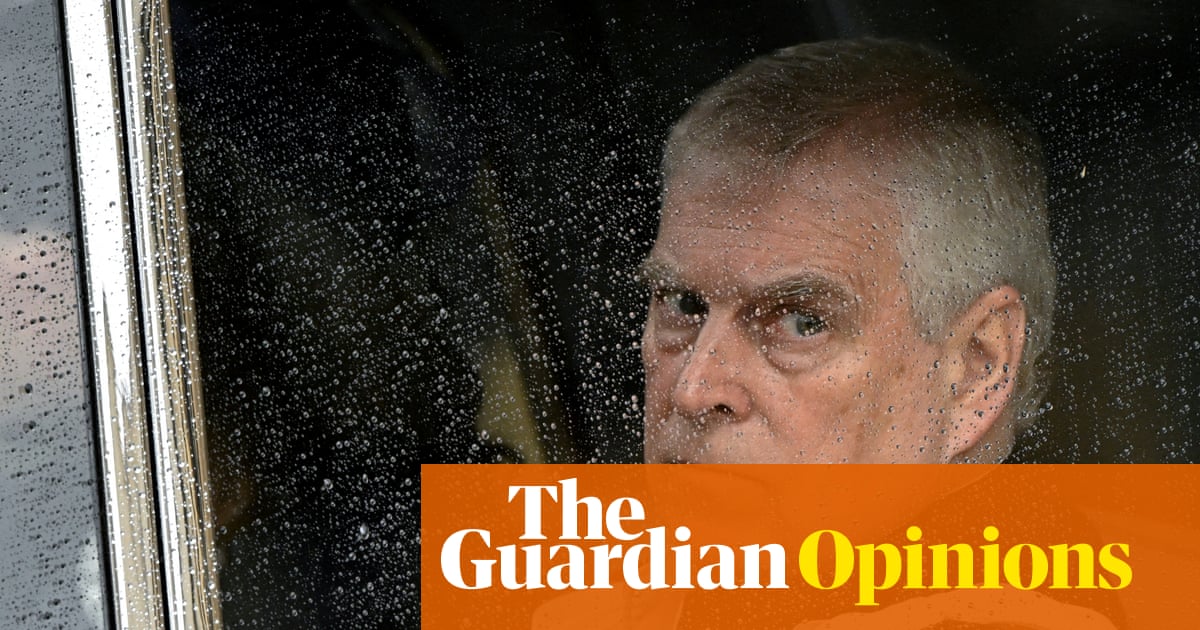
The latest Prince Andrew abuse claims are a new low for the ...
3 months ago
457

Artist sues for co-author credit on Chris Levine’s queen por...
3 months ago
429

Trump says he has commuted sentence of George Santos in fede...
3 months ago
415
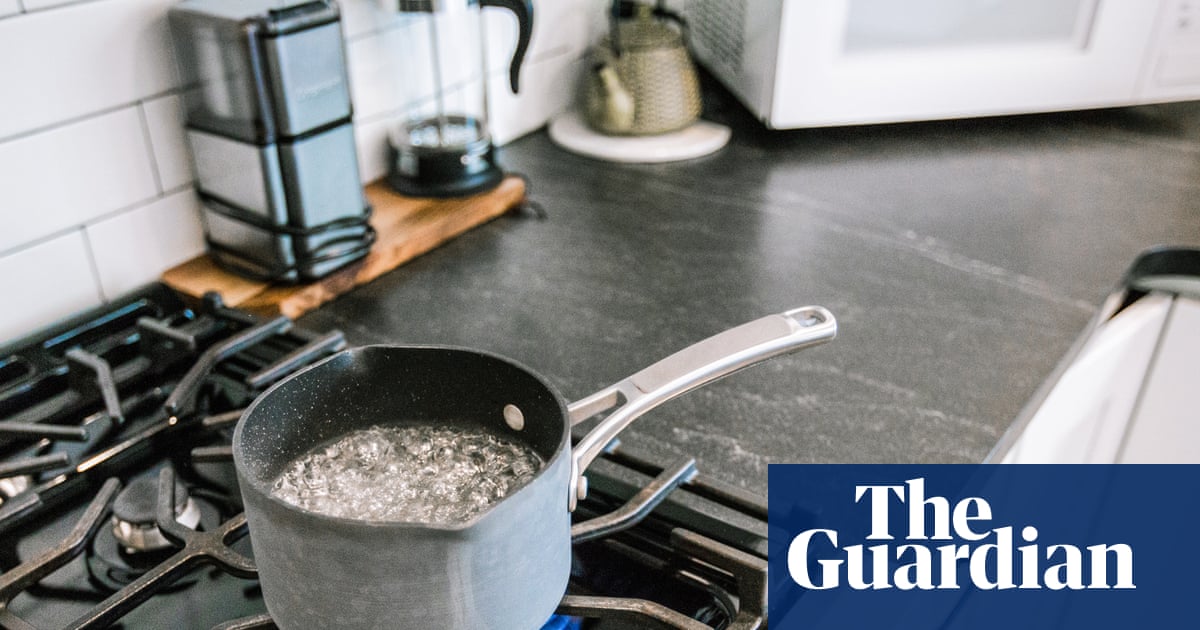
Wood burning and gas cooking hugely costly to healthcare sys...
3 months ago
405

‘Decision to do this secretly is surprising’: NGV returns pa...
3 months ago
388
Badge of honour: Sean Dyche has Forest history but focuses o...
3 months ago
388
Graham Potter keen on Sweden job after sacking of Jon Dahl T...
3 months ago
387
Gramophone Classical Music Awards honour Simon Rattle for a ...
3 months ago
363

When my daughter eats, it is with joyful abandon. Her behavi...
3 months ago
361
Defensive woes a bigger headache for Slot than getting Isak ...
3 months ago
314
Catalonia’s Socialist president: tackling inequality can blu...
3 months ago
306
Surgeons remove high-power magnets from New Zealand teenager...
3 months ago
304

‘She does terrible things’: what can a Marvel director do wi...
3 months ago
302
Do we really expect five-year-olds to sit at desks? I want a...
3 months ago
302
Ex-prince Andrew should answer US questions on Epstein if as...
3 months ago
302

White House approves increased oil and gas drilling in Alask...
3 months ago
286
|
|
| |
|
|
| |
|
|
| |
|
|
|
|
|
|
|