 1 month ago
35
1 month ago
35
The first time I saw gay people on TV, it was during an ABC news package about Sydney’s Gay and Lesbian Mardi Gras. My Egyptian parents were chomping through a bag of dried pumpkin seeds when the assault on our eyeballs took place.
Muscle bears in backless chaps, shirtless lifesavers in tiny budgie smugglers, chunky women with buzzcuts and saucer-plate nipples revving their Harley-Davidsons down the strip. It was too much for my father, who announced: “Atstaghfurallah: they should not show such things.” Mum just sucked her teeth in dismay. But the sight of all the handsome, gleaming men sent a hot flush of excitement up my 12-year-old cheeks.
For the next 20 years, deep in my closet of internalised homophobia, I would struggle with these competing forces of faith, family and community, in silence. Early on, I promised myself I would never be gay like that, never be so unashamed as those men on the screen. I would be dignified, respectful. A working gay in a collared shirt and sensible trousers. When I landed in Tokyo with my boyfriend for our first overseas holiday last year, I was still dogged by this lingering sense of caution.
I had often heard that in Japanese culture, physical affection is kept to the privacy of the home, and never for public display. With the diligence of a teacher’s pet, I was excessively careful to observe the cultural norms I had read about online. Our first night in Tokyo was tense.
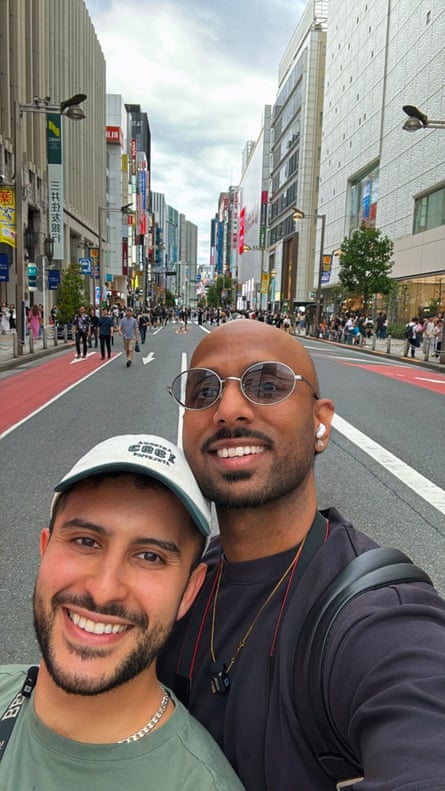
I reprimanded my boyfriend for eating his onigiri open-mouthed on the street; for talking too loudly on the Ginza subway line; and taking “too long” to get ready for the gay bar which, to my surprise, did not close at midnight as advertised. He was not surprised at all, just tired of my demanding itinerary and anal-retentiveness.
When we got to Kingdom Tokyo, a club planted firmly in the gay district of Shinjuku, I was even more surprised. We were greeted by a muscular Japanese stripper in a jockstrap and a cute American bartender in a tight-fitting shirt who asked us what we’d like to drink. I began to release my inhibitions. Pretty soon, we had formed a circle of new friends: a San-Franciscan who flew to Tokyo “just for the weekend”, a Japanese flight attendant-in-training who had recently broken up with her lowlife boyfriend, and a Filipino lifestyle influencer who half-slurred Nicki Minaj lyrics all night. We were a motley crew.
Under the twinkly lights of the disco ball, my boyfriend looked even more handsome than those men on Oxford Street I’d seen as a child. He drew me close, gyrating against me. He spun me around and then joined me up on the stage, where, half-drunk with vodka Cokes, we performed the entirety of Kylie’s Tension album in a unified dance with local drag queens.
The next day, hungover, we made our way to see Mount Fuji. Japan is a country of complex transport systems: train lines are often privately owned, and with so many options, we were quickly overwhelmed.
My head was throbbing and my heart was beating hard in my chest. Remembering the joys of the night before, I breathed deep, a few times in and out. With the comforting touch of my boyfriend’s hand on my arm, we found a friendly attendant who showed us where to board the right bus.
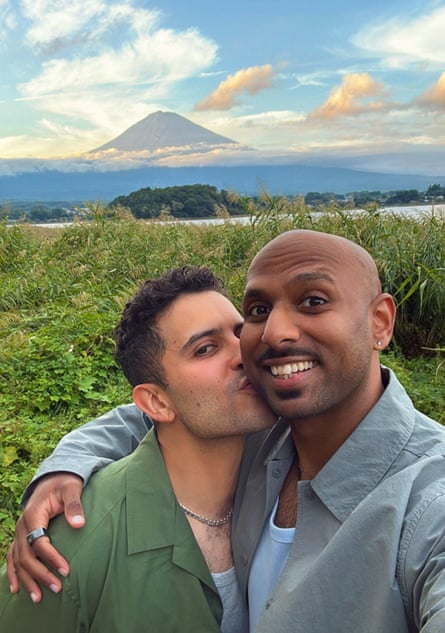
A few hours later at the top of a panoramic ropeway, we marvelled at the rise of Mount Fuji’s long, sheer slope, leading up to a little hat of clouds, white against her grey peak. Visible for only 80 days of the year, we felt lucky, chosen, to see her. We made a promise at a nearby shrine to return.

Then we held hands and kissed. A Spanish couple asked us to take their photo. A loud middle-aged Japanese man, practising his English, offered to take our photo from a framed lookout of Fuji built for tourists. He shouted, “One-ah two-ah three: delightful!” like it was a gameshow. We laughed loudly, paid for our Polaroid and descended again.
I cried at Narita airport later that week, our return flight to Sydney imminent and inevitable. It wasn’t because we would never travel again or because I hated our life in Sydney, but because in tradition-bound Japan I felt free. It was a freedom from shame I am still learning, and it took me a trip to a Tokyo gay bar to find it.
-
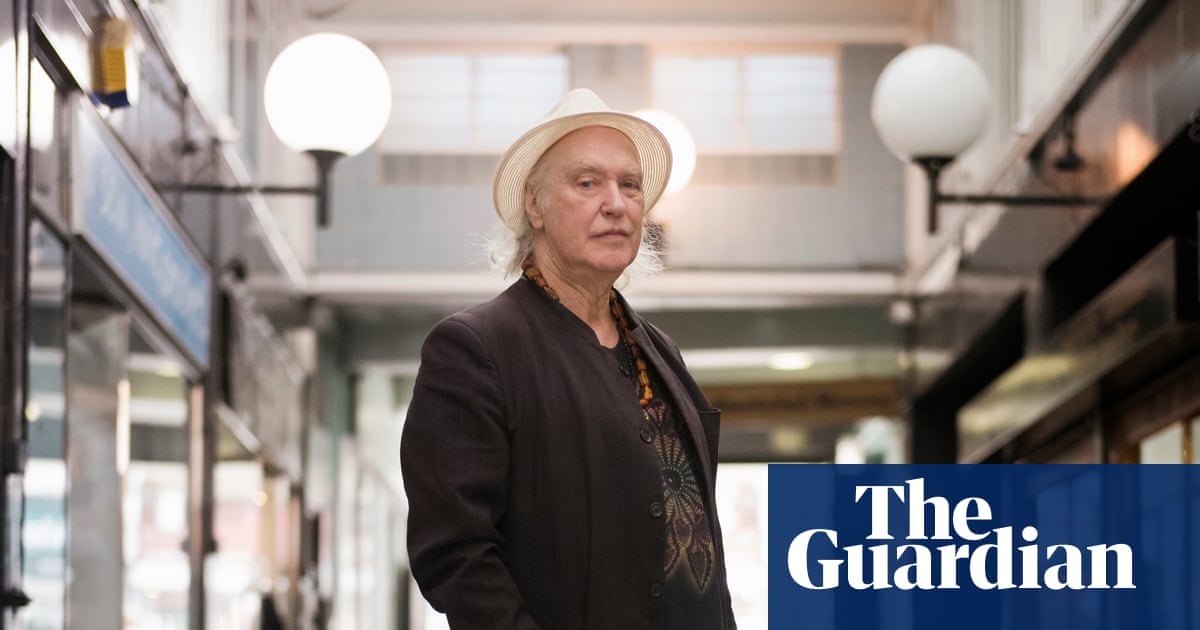
Daniel Nour is the author How to Dodge Flying Sandals and Other Advice for Life ($29.99; Affirm Press)