1 month ago
38
1 month ago
38
From a gold-covered Dennis Rodman to Jack Nicholson sitting in the snow, Albert Watson has spent a career shooting the stars – as well as the occasional giant coffee spoon
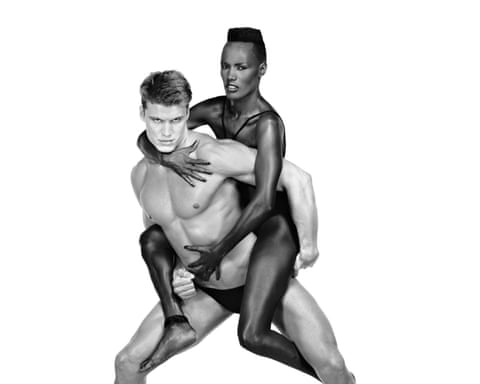
Grace Jones and Dolph Lundgren, New York City, 1983. Photograph: Albert Watson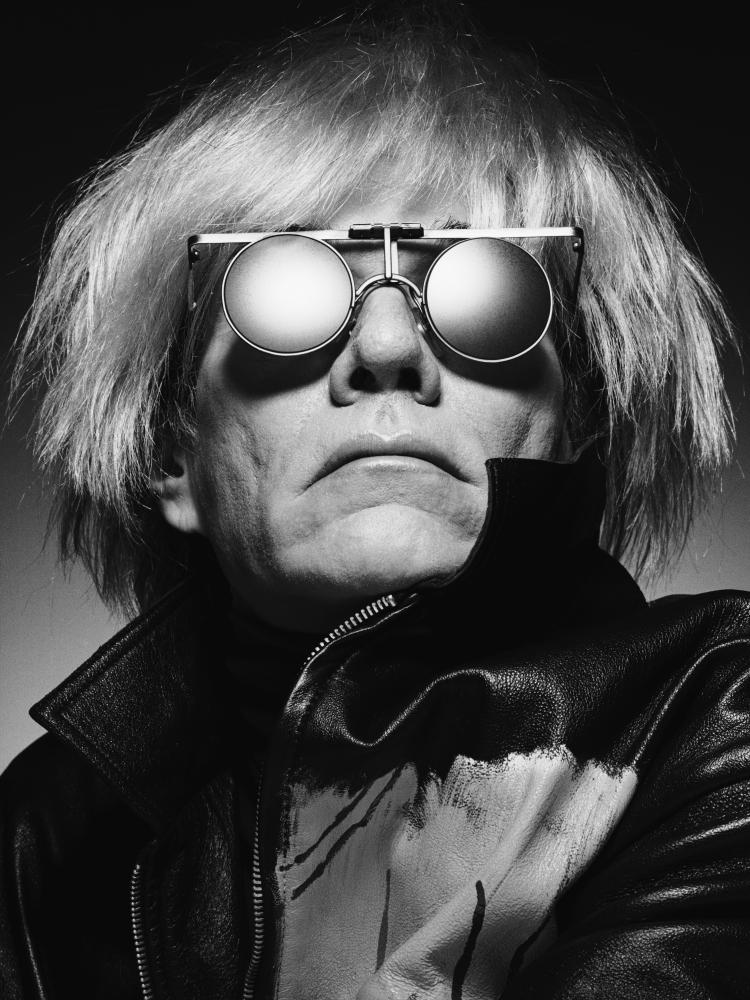
Andy Warhol, New York City, 1985
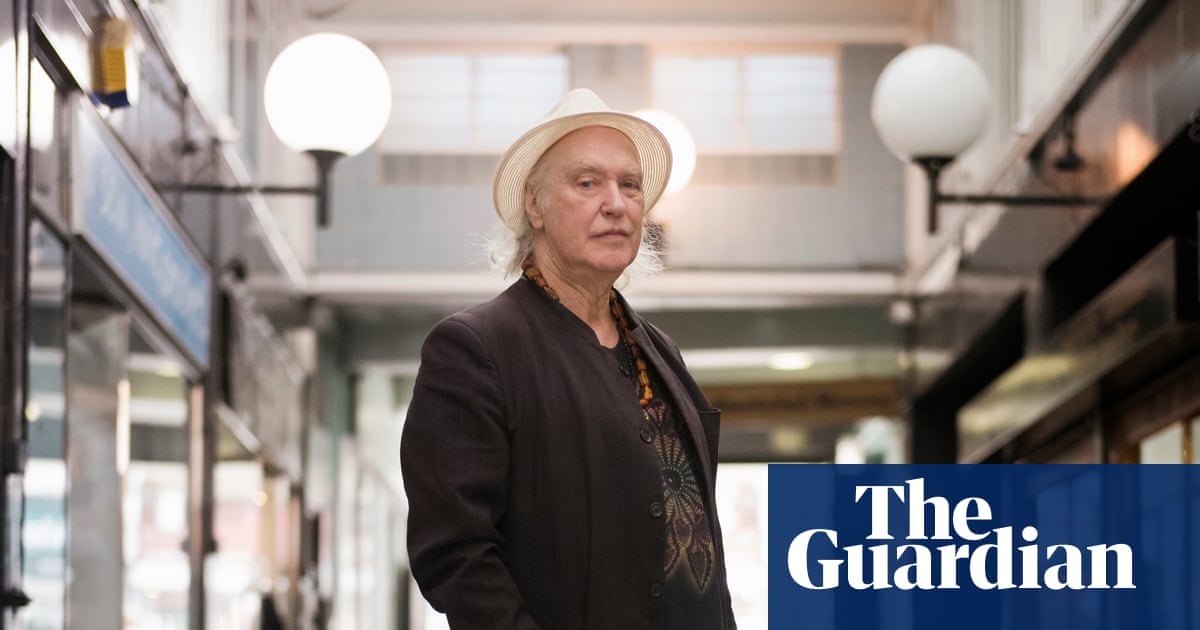
Albert Watson is one of the most influential and sought-after photographers of the past half-century. His unmistakable, often cinematic style has shaped the genres of fashion, portraiture, fine art and still life. From iconic portraits of David Bowie, Kate Moss and Jack Nicholson to personal explorations of Las Vegas, Scotland and Morocco, a new book – which also features previously unpublished Polaroids from Watson’s personal archives – pays tribute to his unique and intuitive vision. Albert Watson – Kaos is published by Taschen. All photographs: Albert Watson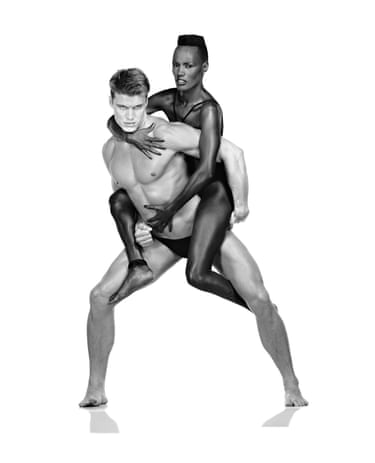
Grace Jones and Dolph Lundgren, New York City, 1983
Born in Scotland in 1942, Albert Watson’s striking images have appeared on more than 100 covers of Vogue and have been featured in countless other publications, including Rolling Stone and Time. Watson has also photographed for hundreds of successful ad campaigns for companies such as Prada, Revlon and Chanel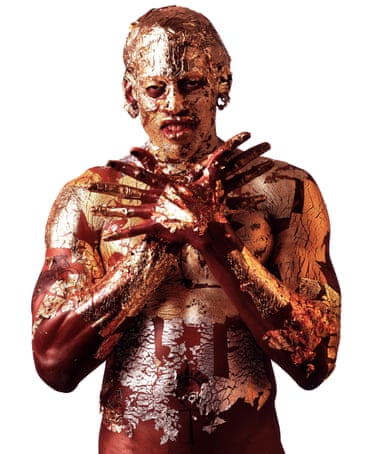
Dennis Rodman, New York City, 1996
Albert Watson: ‘This image was taken for Rolling Stone. The makeup artist knew how to apply real gold leaf, so of course [Rodman] loved that. He lay there for three hours while they covered him in paint’
Steve Jobs, Cupertino, California, 2006
‘Steve Jobs said: “Oh my god, you’re still shooting film! Why?” I told him that digital wasn’t quite there yet. He replied: “You know, I agree with you ... but we will get there!”’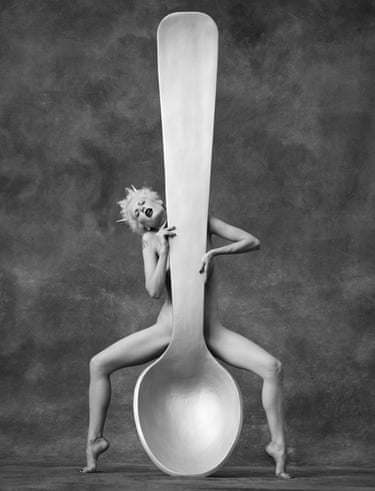
Carmen with Spoon, Lavazza coffee campaign, New York City, 1996
‘Initially I was asked to photograph models sitting in a roadside cafe drinking Lavazza coffee. I found this to be mundane and boring, so I suggested a 10-ft-high coffee cup, an 11-ft saucer, an 8-ft spoon and several 3-ft cubes of brown sugar combined with several nude models. Strangely enough, Lavazza loved that idea!’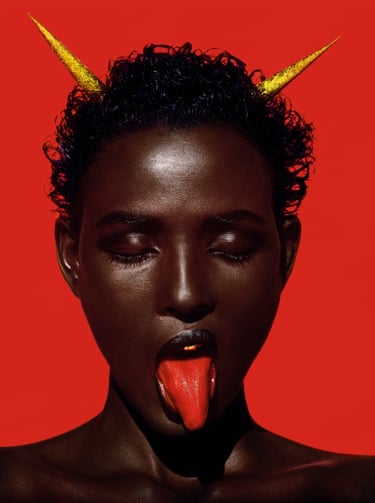
Waris Ouarzazate, Morocco, 1993
In an essay, the former head of photographs at Christie’s, Philippe Garner, writes: ‘Albert Watson’s photographic portfolio is exceptionally diverse, embracing fashion and portraiture, nudes and dance, still life and landscape, photo essays and advertising campaigns. Across this range, there is no one signature style, but rather Watson finds a pictorial solution to each specific challenge, whatever the photographic genre’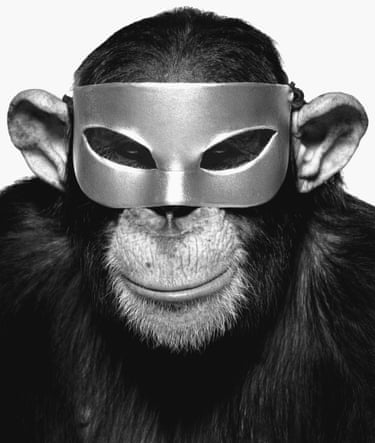
Part of the series Twelve Monkeys, New York City, 1992
Albert Watson: ‘I had done an advertising job with the monkey, Casey, and we bonded; the monkey loved me! At one point, I went to have a cup of tea and the trainer said: “Can you make Casey a cup of tea as well?” So Casey and I sat at the table and had tea. After that, I put aside a day to do all these monkey pictures just as a personal project, and the chimp with the gun was one of them’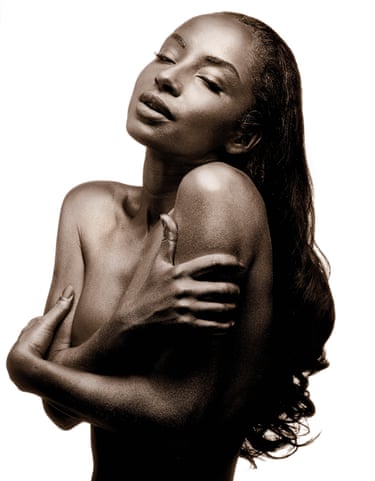
Sade, Love Deluxe album, London, 1992
‘She doesn’t like to be portrayed as sexy. I wanted to photograph her nude, for the cover of her album Love Deluxe, and I said: “If you don’t like it, I’ll tear up the film.” We sprayed her in gold and then shot the image. She thought it was too sexy but her manager said: “Right – that’s the cover!”’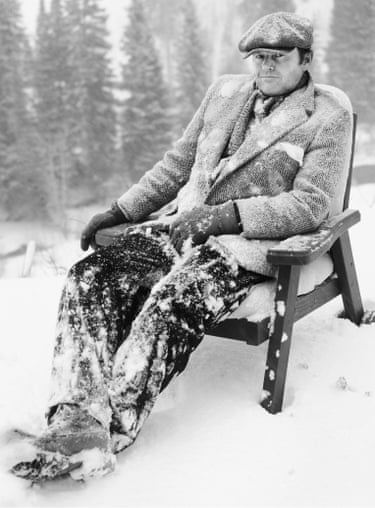
Jack Nicholson, Aspen, Colorado, 1981
‘When we arrived at his house in the morning, Jack opened the door and said: ‘Oh my God, it’s snowing! I have a great idea.’ His housekeeper made us bacon and eggs and coffee, and he went outside and sat in the snow for 20 minutes. It was very surreal – I’m in his house eating breakfast and he’s sitting out in the snow. Then we went outside, and the shot took five minutes’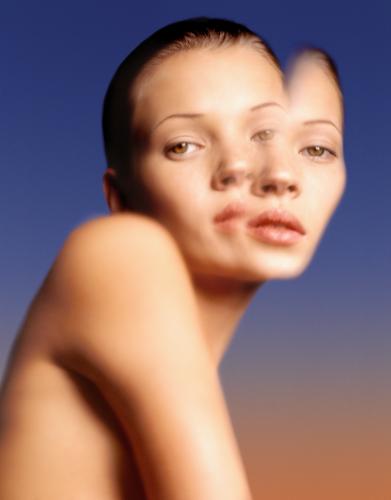
Kate Moss, Reflection in Water, Marrakech, 1993
‘Kate was the only model that day. It was a long day – she had to be up at 6.30am and was working until 10pm. At the end of the day she said: “You know, today’s my 19th birthday.”’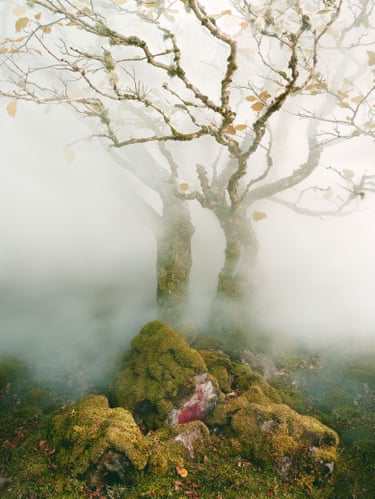
Fairy Glen, Isle of Skye, Scotland, 2013
Watson is fascinated with Gerhard Richter, whose paintings frequently play with the phenomena of perception within photographs. He’s also intrigued by the art of fellow Scot Peter Doig – which makes sense when we look at Watson’s recent Isle of Skye landscapes, images that challenge our readings of structure, colour and texture across a densely detailed picture plane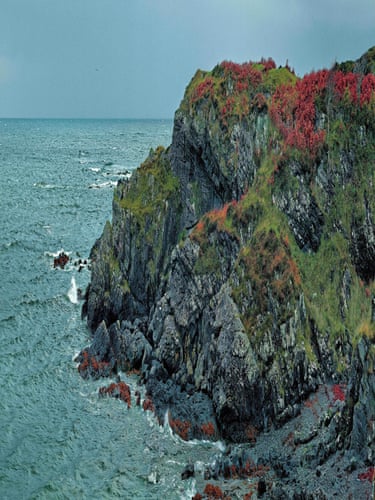
Rock and Sea, Isle of Skye, Scotland, 2013
‘Through the 1970s until the mid-1980s, I was always buying books on graphic design, then I paid more and more attention to painting, buying countless art books, looking at the work of so many artists. We spent six months planning the Isle of Skye trip – we were planning a philosophy rather than specific shots. I was always interested in working with the landscape and working with distortion, movement and colour. I was interested in working much more like a painter, where I can control it. I’m looking for the emotional influences in the landscape’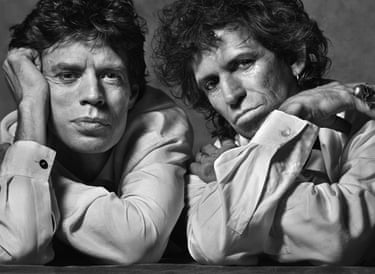
Mick Jagger and Keith Richards, New York City, 1989
Watson’s forte is a distinctive, heroic, larger-than-life way of portraying his subjects. He is always in very precise control, not least of his lighting, whether working in the studio or on location; and he is skilled at creating heightened dramatic effectsExplore more on these topics