 3 hours ago
4
3 hours ago
4
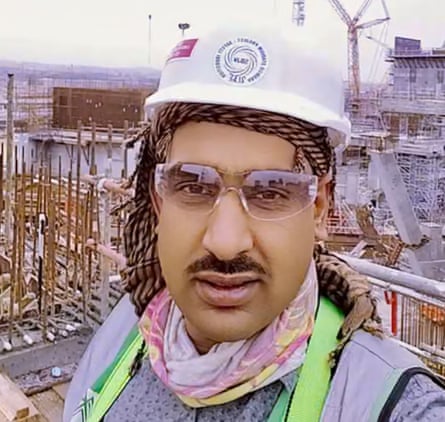
When Mohammad Arshad fell to his death while constructing the first new stadium for the 2034 World Cup in Saudi Arabia, one of the main stadium contractors, the Belgian construction multinational Besix, promised it would take immediate steps to ensure all end-of-service and insurance payments were, “handled in a timely and respectful manner”.
Almost a year later, Arshad’s family say they have yet to receive either.
Arshad’s death was the first known fatality of a migrant worker linked to the 2034 World Cup, and came after Fifa was heavily criticised for naming the gulf kingdom as tournament host.
Human rights groups have warned there could be thousands of unexplained migrant worker deaths linked to the World Cup and other large-scale construction projects in Saudi Arabia. In its World Cup bid, Saudi Arabia promised to build 11 new stadiums and renovate four for the 2034 tournament.
Arshad died on 12 March 2025, while working on a high platform at Aramco Stadium in the eastern city of Al Khobar. The platform tilted suddenly, and Arshad, who was not secured to it, was thrown to the ground. He later died in hospital, leaving behind his wife and three young sons in Pakistan.
Under Saudi law, Arshad’s family are entitled to be paid compensation for his death, potentially worth as much as £63,250. They are also entitled to his outstanding salary and end-of-service benefits.
His family, who live in the district of Mansehra, about two hours’ drive north of Islamabad, say the only money they have received has come from a voluntary donation from Arshad’s co-workers and stakeholders working on the project, matched funded by Besix.
In response to a request to comment, Besix told the Guardian that end-of-service benefits had been transferred to the Overseas Pakistanis Foundation and should be paid shortly once the family had submitted the required documents. The company said it was also in contact with the family and that they were being assisted on completing the necessary documents for the insurance payment – death compensation – to be made.
Sardar Manzoor, a local politician and friend of Arshad, says the family should not be waiting so long to be compensated. “Arshad was like my brother, so I don’t want his children to suffer.” He says many people from the area go to work in the Gulf. “Two or three from every family. It’s only their remittances that keep the economy afloat.”
The family’s lengthy delay appears to show how difficult it is for families of migrant workers who die in Saudi Arabia to negotiate the bureaucratic process to secure compensation, or even know what they are entitled to.
“This terrible case is sadly emblematic of what so many families of migrant workers who die in Saudi Arabia go through. It shows the enormous hurdles that they face in attempting to secure the compensation they are legally due in cases of workplace accidents,” said James Lynch, a director of human rights group FairSquare.
Human rights groups have previously highlighted the “long and burdensome” process families faced to get compensation and have documented a number of cases where families received little or no compensation.
Lynch urged Fifa to publicly demand compensation for the families of workers who have died on projects linked to the tournament, saying: “Fifa has recklessly awarded the World Cup to Saudi Arabia after a sham human rights assessment process. That means they cannot escape their responsibility for the massive construction programme that will result.”