3 hours ago
15
3 hours ago
15
Let’s imagine you’ve been dumped by someone you were expecting to stay with for the rest of your life. The breakup is bitter. The logistics, exhausting. The two of you spend an eternity negotiating who gets to keep the dog, the flat, the friends; it’s hard to imagine that things will ever feel normal again. But the years have a way of softening these things. Some years later, a photo of your ex flashes up on your social media feed. And suddenly, you realise you feel no grudge. In fact, you barely feel anything at all.
This is how it feels to be an EU citizen a decade after Brexit. As the host of a podcast called The Europeans, I talk to people across Europe on a daily basis. Nobody I speak to bears the United Kingdom – the country I called home until my late 20s – any ill will. They enjoy our films and our pop music (even though it’s harder to actually see British artists live); sometimes they go on weekend trips to London and come back complaining about how expensive it was.
But they rarely talk about going to work or study in Britain. Why would they, when so many obstacles stand in the way, and when there are 26 other countries they could move to at the drop of a hat? The numbers speak for themselves: EU nationals make up just 5% of those who obtain a UK visa after battling through the post-Brexit immigration system; in 2023-24, the number of EU students enrolling in UK courses was down 58% compared to the last year under free movement. Talks aimed at offering three-year visas to the under-30s remain deadlocked.
These missing bodies have had an impact on the British economy, but they have also had an impact on something less tangible: the UK’s street cred. If you’re young, creative and European, you are much more likely to be plotting a move to Berlin or Barcelona these days than to London. Brexit hasn’t made London less cool, exactly – just less relevant.
Post-split, the EU has broadly demonstrated a healthy ability to move on and switch focus to the other crises life has thrown its way (a war on its border, a pandemic and two Trump presidencies to name just a few). It’s dating new potential member states, from Montenegro to Moldova. Conversely, the UK is the ex still consumed by the breakup a full decade later – increasingly accepting that it’s made them poorer, but a long way from asking if the EU fancies making another go of it.
For British people still fixated on their former flame, the referendum has actually made them feel far more European. I should know: in 2016 I was not particularly interested in the EU, beyond being someone who had unthinkingly relied on freedom of movement to up sticks from the UK to France.
Nowadays, as a dual citizen of these two countries, I spend most of my time making podcasts on which I try to figure out what it means to be European, along with colleagues spread between Paris and Warsaw. We hear all the time from British people who take comfort in a show that connects them to the continent each week.
Of course, Brexit has hardly instilled every soul with this burning Europhile passion. Just under a third of British people continue to believe that their country was right to leave the EU. But regardless of how you voted on Brexit, to be British is to have been subjected to an entire decade of politicians continuing to talk about the damn thing.
Meanwhile, as the policy analyst Jannike Wachowiak rather devastatingly put it: “European leaders simply don’t spend much time thinking about relations with the UK.” Arguably, this is the best outcome we could have hoped for. The UK has gone from being the problem ex who sucks up all your time and energy, to the ex you can exchange pleasantries with when you see them at a party. Which is important, because – oh, I forgot to mention this – these are exes who need to work together at every G7 and Nato summit.
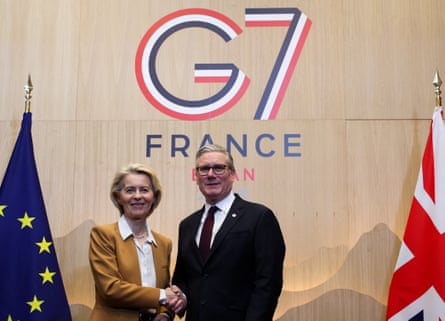
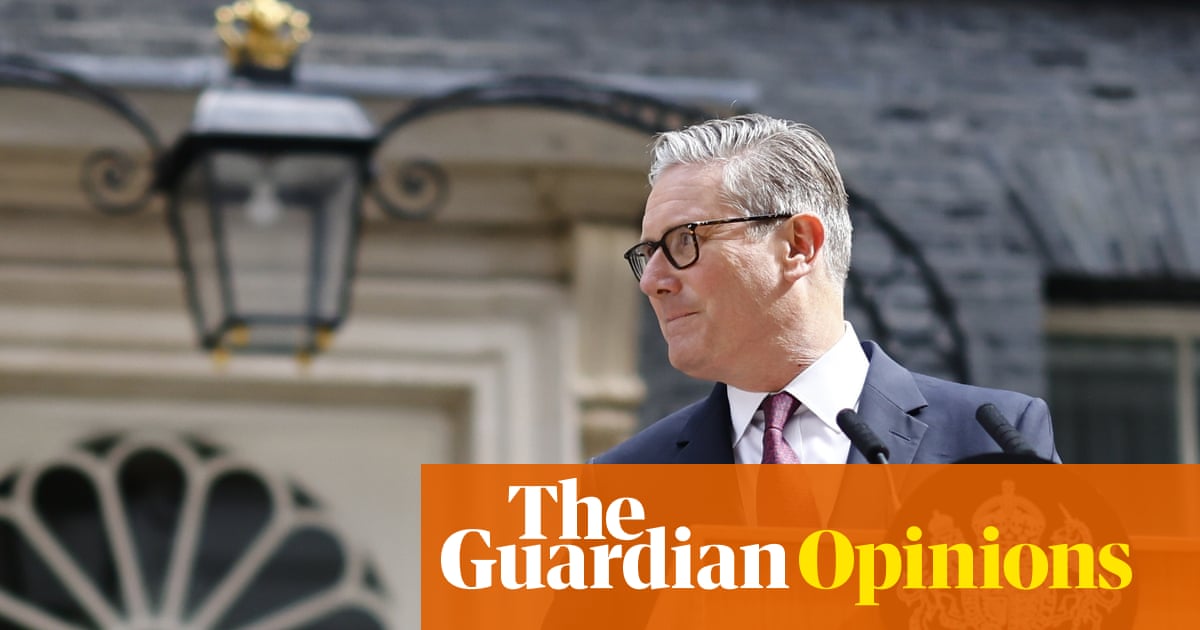
It’s an awkward state of affairs, but the two of them more or less make it work. Trade is harder than before, but remains important to both sides. The EU and UK have largely spoken with one voice when it comes to Ukraine. And even if UK domestic politics is a hot mess, on the international stage the Starmer government has proved to be a relatively non-insane partner in what’s left of the west. In these troubled times, it’ll do.
For the EU, this is a breakup that has been bruising but educational. First and foremost, Europeans in many countries have watched the chaos unfold and figured that, despite their many gripes with Brussels, attempting a local version of Brexit would be distinctly unwise. This is a welcome source of tranquillity in Europe at a time when sources of tranquillity are thin on the ground: one less thing to worry about when you’re also trying to tackle the climate crisis, face down Putin, manage China and weather the mass upheaval in the labour market brought on by AI.
To me, as someone with one foot in each camp, there’s a poignant justice in the idea that the partner that got dumped in this relationship is doing pretty well, given the circumstances, while it’s the one that did the dumping who’s still hung up on what might have been.
But who knows what could happen down the line? Yesterday a friend was telling me about a couple who dated in high school, broke up – and are now back together 20 years later, stronger than ever.
These old lovers might be able to strike it up again. The UK might just need to do another decade of growing up first.
-
Katy Lee is a Paris-based journalist and co-host of the podcast The Europeans